Combustion Testing Before Scaling a Candle SKU: Part 2

Wicks-Unlimited-wax-wick-on-reels-Manufacturing
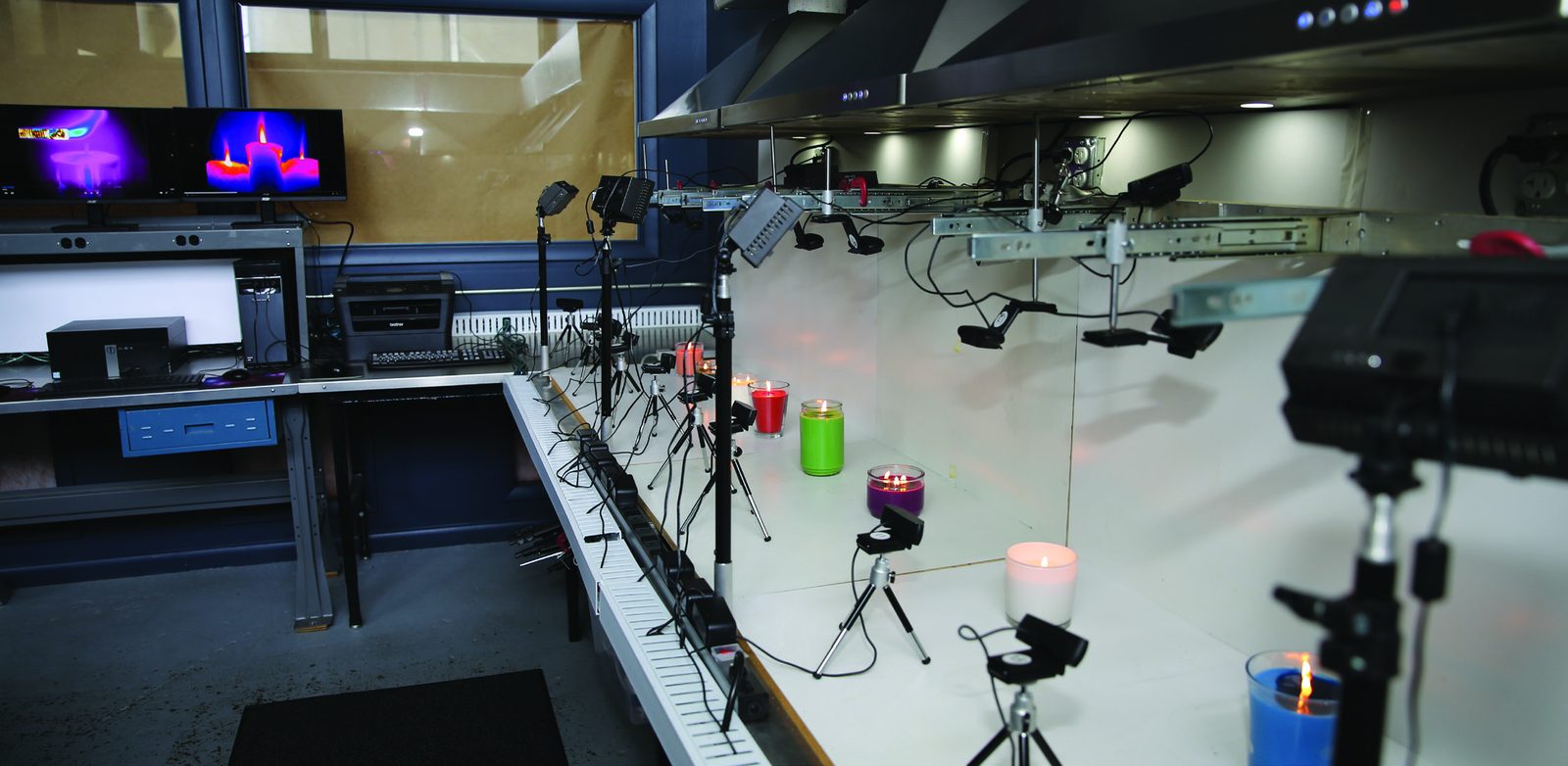
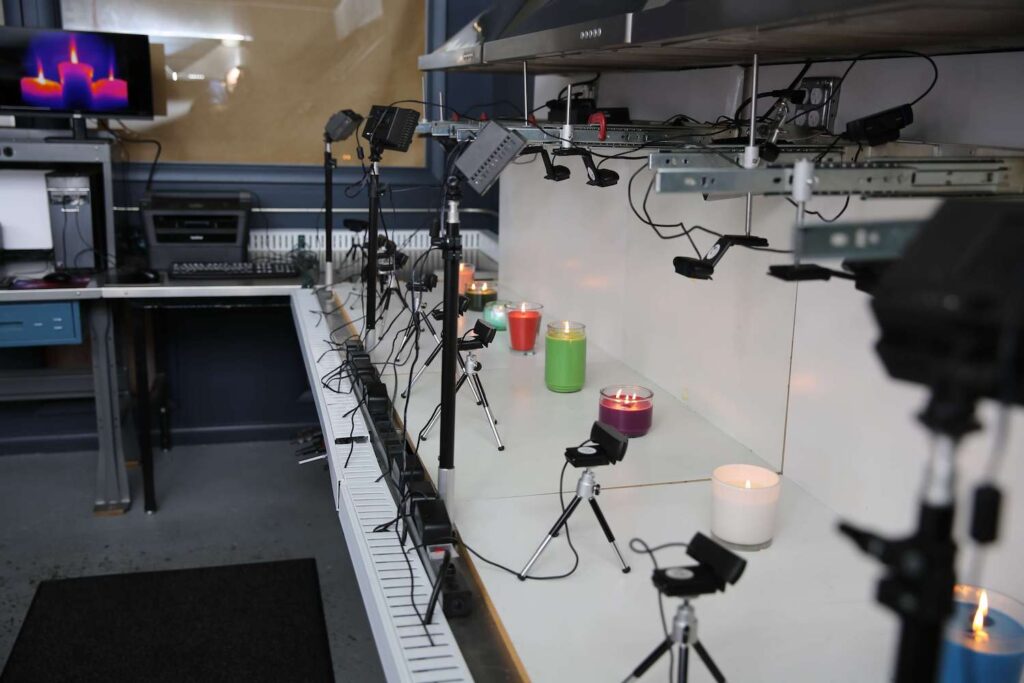
Candle combustion testing in progress in a burn-test lab.

Combustion testing before scale means burning finished candles through full cycles and evaluating every variable that interacts in the flame: wick, wax, fragrance load, vessel, dye, additives, cooling, and assembly. This guide covers the variables to test, the mistakes that surface at volume, and where a component supplier fits in.

Part 1 of this series covered what combustion testing is, why the wick has to be chosen for the finished formulation, and why testing belongs before scale rather than after. This part gets practical: the specific variables to test before you commit a SKU to production, the shortcuts that cause most burn problems at volume, and how Wicks Unlimited supports the work without replacing it.

Key Variables to Test Before Scaling

Most burn problems trace back to a handful of variables interacting. Testing each one against your burn objectives, rather than assuming a single cause, is what shortens the path to a stable result.

One rule frames all of it: the wick is chosen to fit the final formulation. If a variable below changes after wick selection, the selection is no longer validated. You cannot reverse engineer the rest of the candle around a wick you have already committed to.

VariableWhy it shifts at scaleWhat to watch in testing
Wick series and sizeProduction handling and component lots can change feed and set behavior.Flame stability, melt pool, mushrooming, and burn rate across the full candle.
Wax systemBatch variation and fill temperature affect cure and adhesion.Tunneling, wet spots, and how the melt pool reaches the vessel wall.
Fragrance loadHigher loads change combustion and can clog the wick.Sooting, flame height, and scent throw versus a clean burn.
Vessel geometrySourcing and tolerances vary at volume.Container temperature, heat at the base, and burn-down behavior.
Dye and additivesSmall formulation changes alter how the candle burns.Residue, clogging, and changes in flame behavior over time.
Cooling and cureFill temperature and cooling rates move at volume, and improper cooling can create voids, hidden air pockets in the wax.Uneven or collapsing melt pools, sudden flame changes mid-burn, and adhesion or shrinkage issues.
Sustainer and crimpAutomated assembly sets and anchors the wick differently.Centering, adhesion to the base, and clean shut-off at end of life.

Because these variables interact, no single wick is universal, and no result transfers automatically from one formulation to another. Each meaningful change to wax, fragrance, vessel, dye, or additives is a reason to test again.
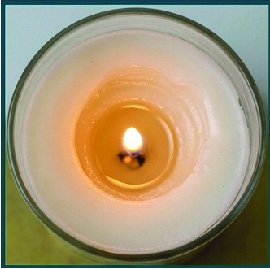
Candle tunneling with unmelted wax left on the vessel wall during combustion testing.
Tunneling

Common Mistakes Teams Make Before Scaling

Most burn issues at scale are not exotic. They come from a small set of avoidable shortcuts:

  • Testing only a single burn instead of full burn cycles that mirror real use. The candle has to burn cleanly and safely from its initial lighting to its end of life, so tests that stop early miss the failures that matter most.
  • Validating on hand-poured samples and skipping conditions closer to the production line.
  • Selecting a wick early and adjusting the formulation to fit it, instead of finalizing the formulation and selecting the wick to match.
  • Changing fragrance, dye, or vessel after testing and assuming the wick still fits.
  • Cooling filled candles too quickly or unevenly, which can leave voids that surface as burn problems midway through the candle’s life.
  • Treating wick selection as a diameter decision rather than a system decision.
  • Locking in components and a schedule before a stable burn profile is confirmed.

Each of these is easy to correct early and expensive to discover late. A disciplined testing protocol, applied before scale, is the cheapest insurance a candle program can buy.
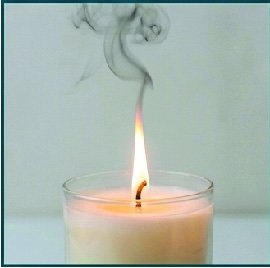
Candle flame sooting and smoking during a burn test.
Sooting & Smoking

What Testing Is, and What a Supplier Can and Cannot Do

It helps to be clear about roles. Combustion testing and final validation are the manufacturer’s responsibility. The brand or producer owns the burn data, the certification, and the decision to release a product. A component supplier supports that work but does not replace it.

Wicks Unlimited provides combustion optimization and wick recommendations. The team helps you narrow options, troubleshoot burn issues, and move toward a more predictable result. Wicks Unlimited does not perform certification or compliance testing, and recommendations are not guarantees of performance. Your own burn testing across wax, fragrance, vessel, dye, and additives is still what confirms a candle is ready to scale.

Framed that way, technical support does not remove a step. It makes your own testing faster and more focused, so you reach a stable burn with fewer cycles.

How Wicks Unlimited Supports Combustion Testing

Wicks Unlimited has supplied candle combustion components and technical guidance since 2000, working with manufacturers worldwide from an advanced Florida facility. The role here is to help you test smarter, not to test for you. That support shows up in a few practical ways.
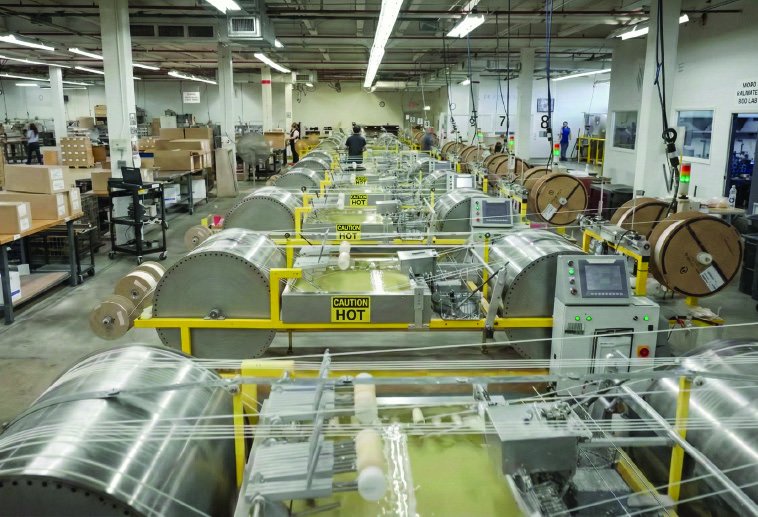
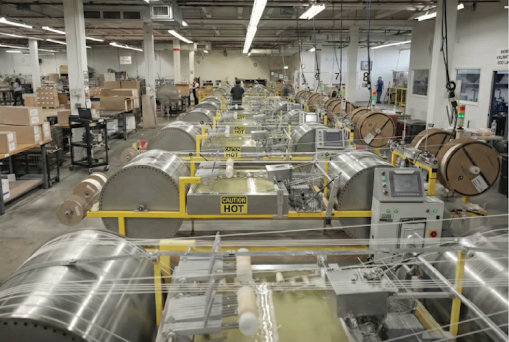
Automated candle wick production floor with waxed wick on reels.

Preliminary wick optimization and combustion troubleshooting

Through technical services, Wicks Unlimited offers confidential preliminary wick optimization and combustion troubleshooting. Share your burn objectives and the issues you are seeing, and the team will help narrow the field to a shorter list of candidates worth testing against your finished formulation. That reduces trial-and-error before your own validation burns.

A broad wick range to test against

With hundreds of wick options across multiple series and treatments, there is room to match a wick to your wax type, fragrance load, vessel geometry, and burn goals. A wider starting set increases the chance of finding a stable candidate without redesigning the entire formulation.

Production-ready components for repeatable results

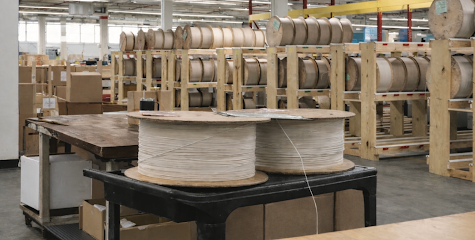
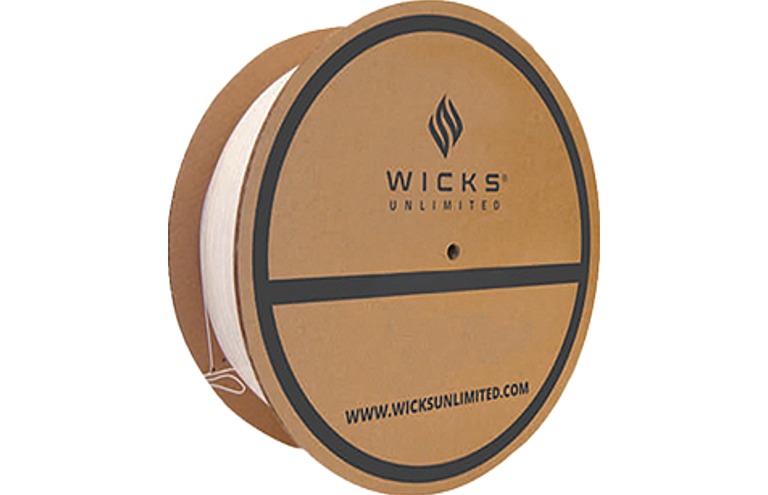
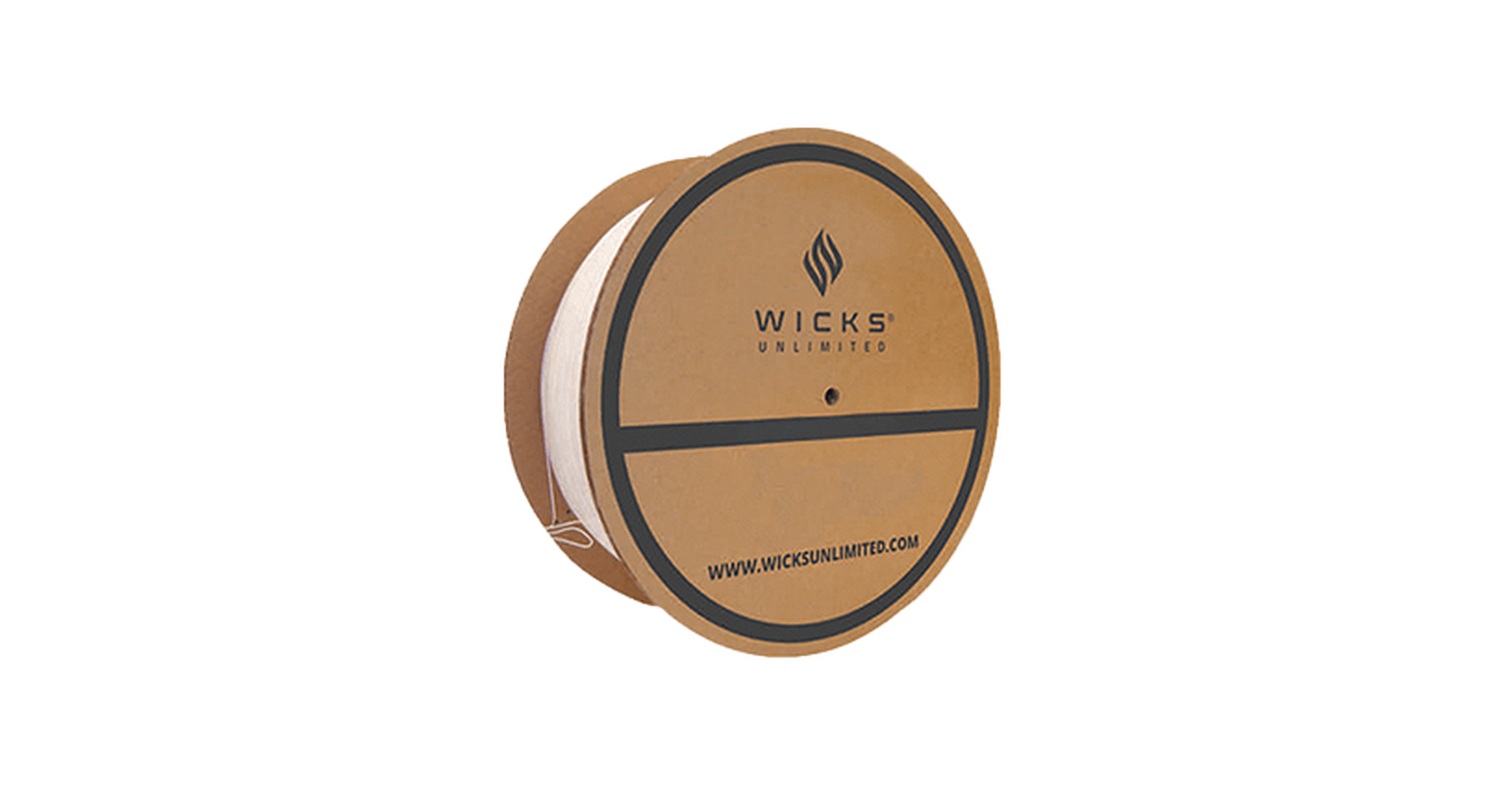
Testing only means something if production matches what you tested. Waxed wick on reels are saturated to the core through a proprietary waxing process for more uniform combustion, and wick-clip assemblies are made to your exact length and sustainer specifications. Consistent components help your production candles behave like the ones you tested.

Quality systems built for repeatability

Wicks Unlimited operates an ISO Certified QMS, supporting consistency, traceability, and repeatable production outcomes. For a team scaling a SKU, that means the components you validated are made to the same standard run after run.

Related Products and Services

Combustion testing touches the full assembly, so the right components matter beyond the wick itself:

Frequently Asked Questions

Does Wicks Unlimited do my combustion testing or certification?

No. Wicks Unlimited provides combustion optimization and wick recommendations to help narrow options and troubleshoot burn issues. Final burn testing, validation, and certification remain the manufacturer’s responsibility.

How many wick options should I test?

It depends on your wax, fragrance load, vessel, and burn goals. Preliminary wick optimization helps shorten the list to a focused set of candidates, so you test fewer wicks across fewer cycles before validation.

Do I need to retest if I change fragrance or vessel?

Yes. Fragrance load, vessel geometry, dye, and additives all affect combustion, and the wick was selected for the previous formulation. Any meaningful change to the formulation or vessel is a reason to run burn testing again before committing to scale.

What causes voids in a candle, and do they affect the burn?

Voids are hidden air pockets that can form when a filled candle cools improperly, often from cooling too quickly or unevenly. They can change melt pool behavior and flame stability partway through the burn, which is why cooling and cure conditions belong in your testing plan.

Test With Confidence Before You Commit to Scale

Combustion problems do not stay at the bench. They surface in returns, rework, and missed launch dates once a SKU is in full production. The way to avoid that is to test thoroughly before you scale, with components and guidance built for repeatable results.

If you are preparing to scale a SKU and want to narrow your wick options before validation, contact Wicks Unlimited for confidential preliminary wick optimization and combustion troubleshooting. Ready to source production-ready components for your testing and your line? Shop waxed wick on reels, wick clip assemblies, sustainers, and hot melt glue on the Wicks Unlimited webstore.

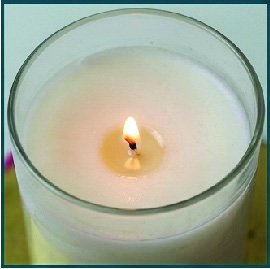
Combustion Testing Before Scaling a Candle SKU: Part 1

Wicks-Unlimited-wax-wick-on-reels-Manufacturing

Candle combustion testing in progress in a burn-test lab.

Combustion optimization is the process of burning a finished candle to confirm it lights, burns, and extinguishes safely and consistently from first light to end of life. Running it before you scale a SKU helps catch wax, fragrance, vessel, and wick-selection issues while changes are still inexpensive, protecting product quality and launch timelines.

Scaling a candle SKU is a commitment. Once a product moves from a few R&D pours to thousands of units on a production line, every component decision is locked into tooling, purchasing, and a schedule. Combustion optimization is how candle manufacturers confirm that a candle performs as it should before making that commitment.

For production managers, R&D teams, and purchasing leads, the cost of skipping or shortcutting this step rarely shows up at the bench. It shows up later, in failed runs, returns, rework, and delayed launches. This is Part 1 of a two-part series: what combustion optimization covers, why the wick has to follow the formulation, and why optimization belongs before scale rather than after. Part 2 covers the specific variables to optimize, the mistakes that surface at volume, and how Wicks Unlimited supports the work.

What Is Combustion Optimization?

Combustion optimization is the controlled burning of a finished candle to evaluate its performance from first light to the end of the burn. It looks at the whole system working together: the wick, the wax, the fragrance load, the dye and additives, the vessel, and the way the candle was assembled, down to the wick-clip assembly anchoring the wick.

The standard is simple to state and demanding to meet: the candle must burn cleanly and safely from its initial lighting to its end of life. A candle that performs well for the first ten hours and misbehaves in the final third has not passed. That is why a useful optimization is not a single burn. It is a repeated cycle that mirrors how a customer actually uses the product, with attention to several behaviors:

  • Melt pool depth and width, and how long full melt takes to reach the vessel wall
  • Flame height and stability across the life of the candle
  • Carbon buildup on the wick, often called mushrooming, and any sooting
  • Burn rate and total burn time against your target
  • How cleanly the candle burns down and whether it self-extinguishes as intended
  • Container temperature and base behavior near the end of life
Oversized candle wick producing an oversized flame during combustion testing.
Oversized Wick
Undersized candle wick with a weak flame and shallow melt pool during a burn test.
Undersized Wick
Candle tunneling with unmelted wax left on the vessel wall during combustion testing.
Tunneling
Candle showing incomplete combustion during a burn test.
Incomplete Combustion
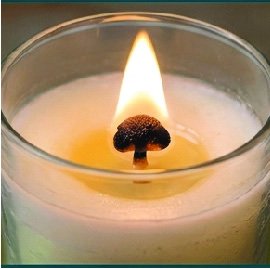
Carbon mushroom cap forming on a candle wick during combustion testing.
Mushrooming
Candle flame sooting and smoking during a burn test.
Sooting & Smoking
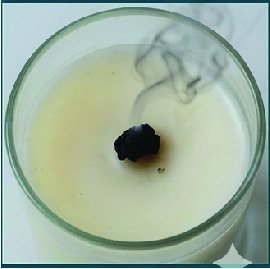
Candle wick afterglow with smoke after the flame is extinguished.
Afterglow

None of these is decided by candle diameter alone. Diameter matters, but wax type, fragrance load, vessel geometry, dye, additives, wick series, wick treatment, and sustainer selection all change the result. That is why optimization is the only reliable way to confirm a candle works, no matter how strong the starting recommendation is.

The Wick Serves the Final Formulation, Not the Other Way Around

One principle should sit underneath every optimization program: the wick is chosen to fit the finished formulation. You cannot reverse engineer a candle to match a wick you have already committed to.

It is tempting to lock in a wick early, especially one that performed well in a previous product, and then adjust wax, fragrance, or vessel around it. In practice this multiplies optimization cycles instead of reducing them. Every formulation change shifts combustion behavior, so a wick that fit the old system is a guess against the new one, not a known quantity.

The reliable sequence is the other way around. Finalize the wax system, fragrance load, dye, additives, and vessel first. Then select and evaluate wick candidates against that finished formulation. If the formulation changes in any meaningful way afterward, wick selection starts again. This is also why preliminary wick recommendations are framed as starting points: they narrow the field for a specific formulation, and they only hold as long as that formulation does.

Why Combustion Optimization Matters Before You Scale

The reason to optimize before scaling is simple: the cost of a change rises sharply the further a SKU moves toward full production. A wick adjustment is trivial during R&D. The same adjustment after a production run can mean reworked inventory, scrapped components, and a missed delivery window.

Optimization before scale protects several things at once:

Safety. A candle has to burn cleanly and safely from its initial lighting to its end of life. A candle that tunnels, overheats the vessel, or produces an unstable flame at any point in the burn is a safety problem at any volume, and a flaw that appears in the last hours of the burn is still a flaw. Catching it before scale keeps it off the line and out of the market.

Consistency. Production introduces variation that R&D pours do not, including machine handling, faster assembly, and component lots. Optimization under conditions closer to production helps confirm the candle holds up across runs, not just on the bench.

Cost control. Burn problems found late drive rework, waste, and returns. Found early, most are a quick component change.

Launch timelines. A failed validation after tooling and purchasing is committed can push a launch by weeks. Early optimization keeps the schedule intact.

Combustion optimization is not a hurdle to a launch. It is the step that makes a confident launch possible.

What Changes When You Move From Bench to Production

A candle that burns beautifully in a hand-poured sample can behave differently once it is produced at scale. The formulation may be identical, but the production environment is not. Several factors shift:

  • Assembly speed and method change how the wick is set, glued, and centered.
  • Component lots vary, so wax, fragrance, and wick can differ slightly batch to batch.
  • Automated cut, tab, and glue equipment handles waxed wick on reels differently than hand assembly handles cut wick.
  • Sustainer choice and crimp affect how the candle anchors and shuts off.
  • Fill temperature, cooling, and cure conditions move at volume. Improper cooling can create voids, hidden air pockets in the wax that change how the candle burns partway through its life, even though the finished candle looked fine on the shelf.
  • Vessel sourcing and tolerances can vary from lot to lot.

Automated candle wick production floor with waxed wick on reels.

This is why a recommendation, however good, is a starting point rather than a finish line. Optimization is what closes the gap between a promising sample and a repeatable production candle.

Frequently Asked Questions

What is combustion optimization for candles?

It is the controlled burning of a finished candle to confirm it lights, burns, and extinguishes safely and consistently from first light to end of life. It evaluates the wick, wax, fragrance, vessel, and assembly working together, not just one component in isolation.

Why optimize before scaling instead of after?

The cost of a change rises as a SKU moves toward production. Catching a wax, vessel, or wick-selection issue during optimization is inexpensive. Catching it after components and tooling are committed can mean rework, waste, and a delayed launch.

Can I choose a wick first and build the formulation around it?

No. The wick is selected to fit the finished formulation, and a candle cannot be reverse engineered to match a preferred wick. Finalize wax, fragrance, dye, additives, and vessel first, then evaluate wick candidates against that system. Any meaningful formulation change restarts wick selection.

Are hand-poured bench samples enough to validate a SKU?

They are a starting point, not a validation. Production changes assembly speed, wick handling, cooling conditions, and component lots. Optimization under conditions closer to the production line is what confirms the candle holds up at scale.

Next: What to Optimize, and What Can Go Wrong

Part 2 of this series covers the specific variables to optimize before scaling, the common mistakes that surface at volume (including voids from improper cooling), where a component supplier fits in, and how Wicks Unlimited helps manufacturers reach a stable burn with less trial-and-error.

If you are preparing to scale a SKU and want to narrow your wick options before validation, contact Wicks Unlimited for confidential preliminary wick optimization and combustion troubleshooting. Ready to source production-ready components for your optimization burns? Shop waxed wick on reels, wick clip assemblies, sustainers, and hot melt glue on the Wicks Unlimited webstore.
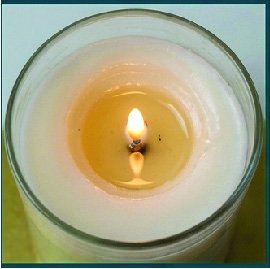
Waxed Wick on Reels: Reduce Production Interruptions in Candle Manufacturing

Wicks-Unlimited-wax-wick-on-reels-Manufacturing

Waxed wick on reels are pre-waxed candle wicks supplied on production-ready reels of up to 3,000 yards. They help candle manufacturers reduce reel changes, support smoother handling on in-line cut, tab, and glue machinery, and contribute to more consistent combustion across longer production runs.

Every unplanned stop Candle-Wick-Manufacturing-company-Wicks-Unlimited-Pompano-Beach.pngon a candle line carries a cost. For most candle products, labor is the largest line item in the finished unit, not materials, and that labor is still on the clock when the line is down. Line operators re-thread, re-align, and re-verify the feed. Rework builds when one run drifts from the next. The frequency and duration of those stops often trace back to one of the smallest but most vital components in the candle: the wick, and how it reaches the line.
For candle manufacturers running in-line cut, tab, and glue machinery, wick format plays a larger role in line continuity than many production teams recognize. Wicks Unlimited’s waxed wick on reels are built for longer runs, smoother handling on automated equipment, and more predictable output across production SKUs.

Where Production Interruptions Start

Most line interruptions are not random. They come from repeatable friction points inside the manufacturing process:

  • Too many reel changes
  • Poor wick handling
  • Inconsistent wick saturation
  • Component mismatch across SKUs
  • Late-stage combustion issues
  • Supply disruptions on critical materials

Wick selection cannot be treated as an isolated product choice. The wick has to perform inside a production environment, not only during R&D burn testing or final validation.

What Longer Reels Actually Change on the Floor

Consider a mid-size candle manufacturer running cut, tab, and glue equipment across several SKUs per shift. A 3,000-yard reel provides a substantial run of pre-waxed wick before a complete reel change is required. Reels normally include a few tie-offs along the length, but a tie-off is a brief pause compared with reloading, threading, and verifying a new reel on the line. Across a shift, that adds up to fewer full reel changeovers than running multiple shorter reels would require.

The production-floor impact depends on current reel length, the number of tie-offs per reel, changeover time, and line speed. The line mechanics are consistent: more wick per reel means fewer full reel changeovers per shift. Actual time savings vary by equipment, SKU mix, and operator experience, and should be verified on your line during a trial.

Built for In-Line Production

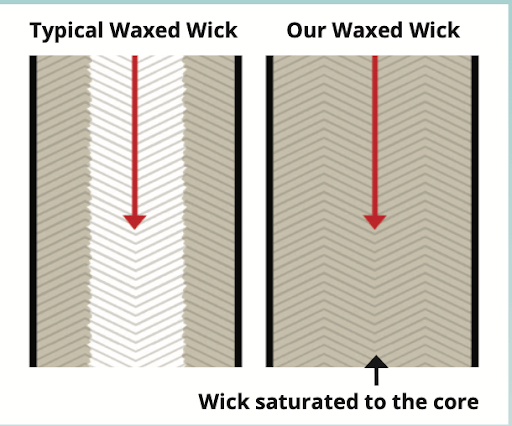
Wicks Unlimited manufactures waxed wick on reels for in-line production. Our proprietary waxing process saturates the wick to its core by gently removing air from the raw wick fiber. Deeper saturation supports uniform combustion and strengthens the wick for handling on automated equipment.

Wax-wicked-on-reels-wax-penetration-Wicks-UnlimitedOperational benefits include:

  • Longer production runs. Reels can hold up to 3,000 yards (2,743 meters) of pre-waxed wick, supporting longer runs with fewer interruptions.
  • Fewer avoidable stops. Fewer reel ends mean fewer splice points and smoother feeding through cut, tab, and glue equipment.
  • Stronger handling on the line. A wick saturated to the core is stronger under tension and feeds more reliably at production speeds.
  • More consistent output. When wick handling is stable and combustion is more predictable, manufacturers can move toward standardized results across runs.

Wick Styles Available on Reels

Reels are offered in multiple wick options to match your wax system and burn objectives:

  • Cored Wick
  • Flat Braided Wick
  • Square Braided Wick
  • Bamboo Wick
  • Organic Wick

Built for the Realities of Candle Manufacturing at Scale 

Reel format is only part of the decision for a mid-size or large candle manufacturer. The supplier behind the reel matters just as much.

Broad wick selection

Wicks Unlimited stocks hundreds of wick options across series and types, giving teams flexibility to match wick to wax, fragrance load, vessel geometry, and burn objectives.

Production-ready reel format
Our waxed wick on reels are built for in-line cut, tab, and glue machinery, not hobby-scale workflows. They fit manufacturers improving throughput or moving toward greater automation.

Reliable supply support
The Make & Hold program may provide same- or next-day shipping for qualified customers and critical components, helping protect line continuity when an out of stock candle component  would stop production.

Technical guidance
Confidential preliminary wick optimization and combustion troubleshooting help reduce trial-and-error and move new products toward a stable burn profile faster. Final wick performance still depends on validated burn testing at the candle manufacturer level across wax, fragrance, vessel, dye, and additives.

Evaluating a New Wick Supplier Without Disrupting Production

Changing a wick supplier is not a trivial decision. Existing SKUs have validated burn profiles. Operators are trained on current formats. Any requalification risks rework if results shift.

Wicks Unlimited supports this evaluation so that testing a new wick does not mean gambling on a production line. Useful first steps include:

  • Sample requests. Start with small quantities of candidate wick series for bench-level evaluation against your current wax system, fragrance load, and vessel.
  • Confidential preliminary wick optimization. Our technical team reviews your current formulation and combustion goals and helps narrow candidate wick series before you commit production time to testing.
  • Trial reels for line testing. Once a short list is identified, a trial reel can be run on your in-line equipment to confirm handling, feeding, and throughput before full qualification burns.
  • Specification review for wick-clip assemblies. If your line uses pre-tabbed wick-clip assemblies, our team can match sustainer selection and wick length to your existing specs to minimize variables during evaluation.

This structure lets a production team evaluate a supplier change incrementally, rather than requalifying a line all at once. Final wick selection still depends on validated burn testing across your full formulation matrix.

Production Efficiency Is a System Decision

Reels are usually the starting point, not the whole solution. Wicks Unlimited supports the full combustion and assembly process with the components your line depends on every shift:

For some manufacturers, the right move is improving reel-fed production. For others, the higher-impact change combines reels with the right sustainer, crimp option, glue system, or technical support to reduce friction throughout the process.

That matters for teams:

  • Scaling an existing line
  • Moving toward more automated production
  • Standardizing components across multiple SKUs
  • Reducing troubleshooting after launch
  • Improving consistency across larger runs

Reduce Interruptions Before They Affect Output

Production interruptions do not stay on the floor. They show up in scheduling, output, labor efficiency, and product consistency.

Waxed-candle-wick-on-reels-manufacturing-Wicks-UnlimitedIf your team is working to reduce line interruptions, improve wick handling, or evaluate a new wick supplier, contact Wicks Unlimited for technical guidance, sample requests, and trial reels sized for your equipment.
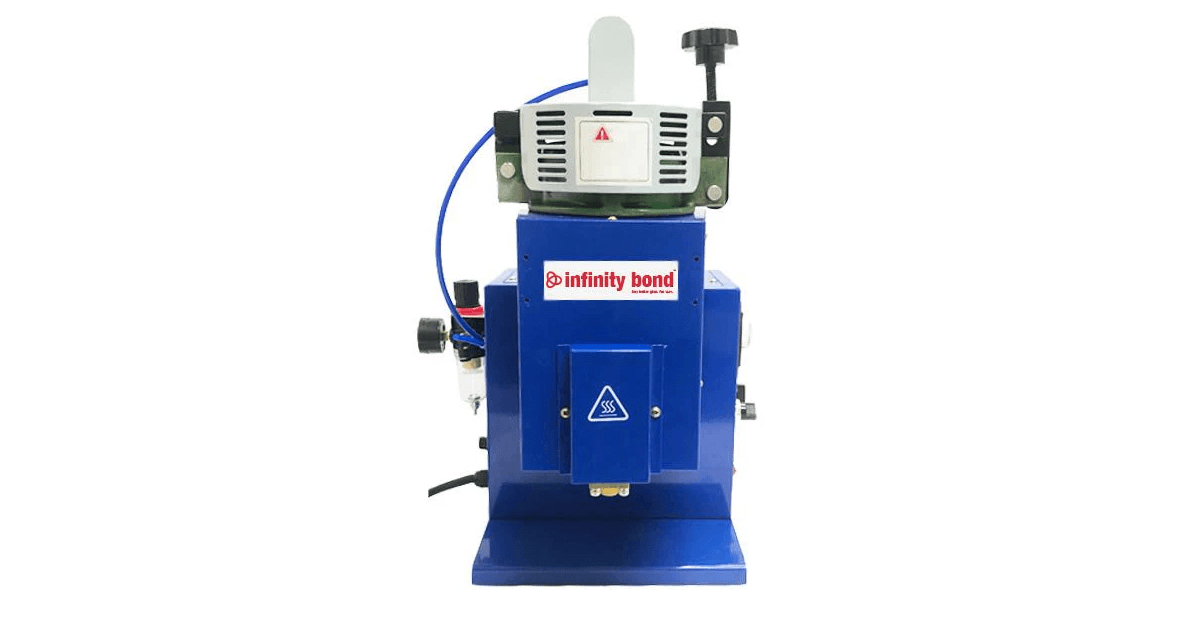
You can also shop Waxed Wick on Reels, Wick Clip Assemblies, Sustainers and Crimping Tools, and Hot Melt Glue and Glue Melters on the Wicks Unlimited webstore.

The right wick format keeps your line moving from the first reel to the final burn.

Scale Candle Production with the Infinity Bond EasyMelt Glue Machine

Wicks-Unlimited-EasyMelter
Candle-making often reaches a point where manual workflows could be more efficient for large production runs. Wicks Unlimited now carries the Infinity Bond EasyMelt glue machine to bridge that gap as a cost-effective, easy-to-operate solution to streamline and scale candle production.

Introduction to the Infinity Bond EasyMelt Glue Machine

The Infinity Bond EasyMelt glue machine is a benchtop hot melt adhesive applicator ideal for candle manufacturers looking to scale production and productivity cost-effectively. This versatile machine comes equipped with everything needed to get started immediately utilizing your air compressor or line. It is, best of all, compatible with all Wicks Unlimited candle sustainers and wick clip assemblies.

  • Bulk Tank: A 1.5-liter hot melt tank
  • Foot Pedal: For hands-free dispensing
  • Nozzles: Various types for different application needs
  • Built-In Timer: Ensures precise and repeatable dispensing
  • Integrated Temperature Control Switch: Easy adjustment from 120℉ to 420℉ (50℃ to 250℃)

Key Features and Benefits

  • Lightweight and Portable
    The Infinity Bond EasyMelt machine is designed for portability. Its lightweight and compact design makes moving and positioning it within your workspace easy. This mobility ensures you can optimize your production line without being constrained by heavy, immovable equipment.
  • Convenient and Safe Operation
    Refilling the bulk tank with RT2315 hot melt glue or another appropriate candle adhesive is straightforward and safe, thanks to the easy-to-open cap. This design reduces downtime and enhances safety, allowing operators to refill adhesive quickly and efficiently.
  • Adjustable Pressure and Flow
    The machine’s pneumatic power system, coupled with adjustable pressure and flow settings, allows for precise control over the adhesive application. This level of control is crucial for maintaining consistent quality in candle production.
  • Fast Melting and Consistent Dispensing
    With its efficient heating system, the Infinity Bond EasyMelt machine quickly melts candle glue, minimizing wait times and boosting productivity. The integrated electrical timer ensures the glue flow volume is consistent with each depression of the foot actuator, providing uniform and precise results across batches while minimizing wastage.
  • Easy Maintenance
    The machine’s simple construction means that it requires minimal maintenance. This ease of upkeep reduces downtime and extends the machine’s operational life, making it a reliable addition to any production line.

Technical Overview

  • The Infinity Bond EasyMelt glue machine operates on two main systems:
  •  Electrical Control System: This system manages the operation of the machine, including the integrated temperature control switch and shot timer. The temperature control switch allows operators to set and adjust the temperature of the hot melt tank within a range of 120℉ to 420℉ (50℃ to 250℃), accommodating various hot melt adhesive formulations.
  • Pneumatic System: The integrated pneumatic and electrical power systems melt the glue efficiently and ensure smooth dispensing. The heating system is compatible with most hot melt adhesive formulations, including the RT2315 hot melt candle glue from Wicks Unlimited, with viscosities ranging from 500 to 20,000 CPS.

Contact Wicks Unlimited Today

The Infinity Bond EasyMelt glue machine offers a blend of efficiency, precision, and ease of use for candle manufacturers looking to scale their production. Its robust features and affordable pricing make it an excellent choice for enhancing production capabilities without significant investment. By incorporating this machine into your workflow, manufacturers can achieve consistent, high-quality results and meet growing demand with confidence.

With the addition of both the Infinity Bond EasyMelt glue machine and RT2315 hot melt adhesive to our product lineup, which includes over 450 different candle wicks, including coredflat, and square braided wicks, and metal wick clip assemblies and sustainers, it is no wonder manufacturers depend on Wicks Unlimited for all their candle combustion needs.

Contact Wicks Unlimited to learn more and scale your candle production today using the Infinity Bond EasyMelt glue machine.

RT2315 Hot Melt Candle Glue

RT2315-Hot-Melt-Candle-Glue-Wicks-Unlimited
Hot melt candle glue is an adhesive that anchors wick clip assemblies to the bottom of empty container candles. It is typically a blend of different polymers that melts when heated to a very high temperature allowing it to be deposited within the container. Once it cools and solidifies, it forms a bond that anchors the wick clip assembly in place during the pouring of liquid wax and repeated burn cycles.

What is RT2315 Hot Melt Glue for Container Candles?

RT2315 is a specialty hot melt Hot-melt-candle-glue-Wicks-Unlimitedcandle glue supplied by Wicks Unlimited to safely and securely anchor metal wick clip assemblies inside empty candle containers. This glue has been successfully tested to withstand the high temperatures encountered on and around the container’s base, especially while pouring, the candle’s final burn cycles, and subsequent end of life.

One of RT2315’s most sought-after benefits is its heat resistance. This vital attribute minimizes the chance of the phenomenon known as wick migration, where the wick can slide from its original anchor point during pouring or when the burn pool temperature is elevated towards the candle’s end of life.

With the wick off-center due to wick migration, the candle will begin to burn unevenly and form soot on the side of the container’s wall where the flame is too close. It may not sound dangerous, but it is to the brand’s reputation and the candle’s safety. End-users may not purchase your candle brand again since their overall experience was compromised by wick migration. While an uneven burn, sooting, and the candle’s flame too close to the container’s wall caused by wick migration do not sound dangerous, it is indeed.

The flame near the container’s wall often causes localized overheating of the container and the liquid wax pool. As a result of localized overheating caused by wick migration, the candle’s container could get too hot and transfer heat to adjacent surfaces and even crack, causing the wax to flow out of the container and causing a fire hazard. To mitigate the chance of wick migration it is vital to use the appropriate heat resistant candle glue.

Candle manufacturers and fillers depend on RT2315 to improve production line efficiency for several reasons. First, RT2315 glue deposits are precise and repeatable, making them ideal for high-speed production lines when the machinery is at their optimal operating temperatures. Second, RT2315 features a short open time, the specific amount of time to bond the materials (wick clip assemblies and the container) together before the adhesive starts to form a skin. The short open time enables manufacturers and fillers to begin instantaneous wax filling, saving them precious time. Third, unlike other hot melt candle adhesives, RT2315 deposits are clean without the stringing associated with other glues not designed for candle applications, keeping the production area and machinery nozzles clean.

Now that you have a basic understanding of RT2315 adhesive let’s explore some common questions from our customers.

Common Questions About RT2315 Hot Melt Candle Glue

Question: Can RT2315 glue secure wick clip assemblies in all types of candles?

Answer: Yes, RT2315 can be used to secure wick clip assemblies in many different candle types, including paraffin, soy, beeswax, and other waxes or blends. As with everything in candle manufacturing, it is always important to refer back to the wax manufacturer’s instructions to ensure adhesive compatibility.

Question: Will RT2315 work with Wicks Unlimited’s tin-coated wick clip assemblies and sustainers?

Answer: After extensive research and testing, the combustion experts at Wicks Unlimited selected to stock RT2315 because of its excellent surface adhesion to tin-coated wick clip assemblies at high temperatures.

Question: My current adhesive fails during pouring and towards the candle’s end of life, causing wick migration. Will RT2315 prevent wick migration?

Answer: RT2315 dramatically reduces the chances of wick migration since it has been successfully tested to withstand high temperatures while still providing superior wick clip assembly anchoring.

Question: What is the melting point of RT2315?

Answer: The melting point is approximately 320℉.

Question: What is the softening point of RT2315?

Answer: The softening point is 290℉.

Question: Does RT2315 experience “stringing” like other hot melt glues?

Answer: RT2315 does not experience “stringing” like other hot melt glue due to its molecular structure.

Question: How is RT2315 deposited into a candle’s container?

Answer: The most effective method to deposit RT2315 into empty candle containers or molds is using industrial glue depositing machinery at the optimal operating temperature featuring zero cavity nozzles for quick adhesion. Please contact Wicks Unlimited to learn more about how to deposit RT2315 into containers and molds.

Question: What type of candle containers is RT2315 compatible with?

Answer: RT2315 candle adhesive is compatible with many different substrate types including both glass and metal containers.

Question: My customers like repurposing the candle’s container after the final burn cycle. Is RT2315 easy to remove?

Answer: Many other types of glue are too gooey to remove entirely from the bottom of the candle’s container. However, RT2315 is easy to remove from the bottom of the container, making repurposing a breeze.

Question: What is the minimum order quantity (MOQ) for RT2315?

Answer: RT2315 glue pillows are available in bulk packaging starting at quantities as low as 50 pounds.

Question: How can I view a Safety Data Sheet (SDS)?

Answer: Click here to view and download RT2315’s Safety Data Sheet (SDS).

Question: How do I request a sample of RT2315 candle glue?

Answer: Requesting a sample of RT2315 glue is as easy as calling Wicks Unlimited at (877) 765-0748, emailing sales@wicksunlimited.com, or using the contact form below.

Learn More About RT2315 Hot Melt Candle Glue

Creating a better candle experience by mitigating wick migration and improving manufacturing productivity with RT2315 begins by partnering with the combustion experts at Wicks Unlimited. From its superior surface adhesion while pouring to its thermal resistance towards the candle’s end of life, it is easy to see why candle professionals prefer RT2315 hot melt glue over other types of candle wick adhesives, such as wick stickers, cool melt glue, and super glue.

With the addition of RT2315 to our product lineup, which includes over 450 different candle wicks, including cored, flat, and square braided wicks, and metal wick clip assemblies and sustainers, it is no wonder manufacturers depend on Wicks Unlimited for all their candle combustion needs.

To learn more about RT2315 or to request a sample, call (877) 765-0748, email sales@wicksunlimited.com, use the contact form below, or visit booth #1111 during the NCA’s 2023 Annual Conference & Expo in Charleston, SC.

*Please note that Wicks Unlimited only provides a wick recommendation. The candle manufacturer is responsible for final testing.

*Wicks Unlimited does not perform sensory tests.

An Introduction to Wick Optimization

Candle-Wick-Optmiztion

Candle manufacturers depend on Wicks Unlimited’s candle wick optimization services to prevent combustion issues from occurring in the first place or to solve existing combustion issues. Frequently, candle combustion issues are caused by either the manufacturer using the incorrect wick size, wick family, or a combination of both for a particular wax formulation, fragrance load, and/or container type.

Since each wick has unique burn characteristics, selecting and testing the wick type and size during pre-production is vital rather than rushing to production with an un-optimized wick. Even with extensive research and testing, candle combustion issues can come out of the blue. Please continue reading to learn what candle wick optimization is, when to complete it, and how to partner with Wicks Unlimited to optimize your next candle wick.

What is Candle Wick Optimization?

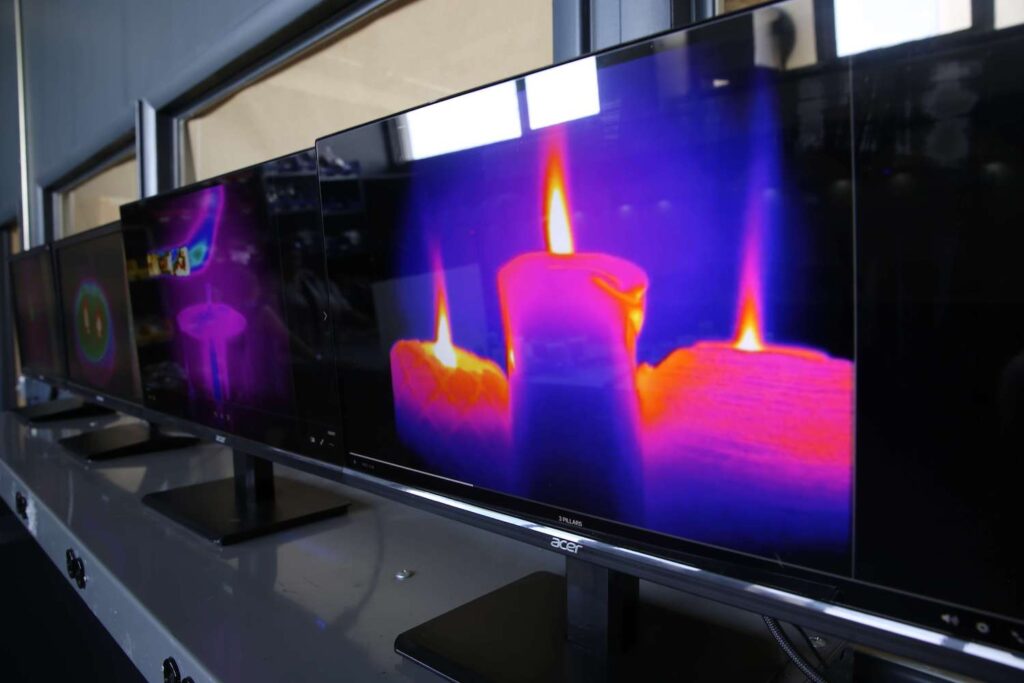
Candle wick optimization Candle-Wick-Testing-Wicks-Unlimitedservices, like those performed at Wicks Unlimited, focus on three interrelated quality pillars: to ensure proper wick size and type for a particular candle system, improve candle performance, and improve candle safety. Using candle samples that the manufacturer ships to Wicks Unlimited, we complete four (4) hours of burn testing following the aforementioned quality pillars.
Ensure Proper Wick Size & Type: The benefits of using an appropriately sized wick for a specific candle system cannot be overstated. Using your shipped wickless samples, the combustion experts at Wicks Unlimited select and test different types of wick. Once this is complete, we recommend an optimized wick that is the precise type and size for your specific candle application.

Improve Candle Performance: Wick optimization also improves the candles’ overall quality. Burn characteristics of an optimized wick include: a flame height that is the ideal size and below the 3″ safety threshold set by the ASTM for your specific container, minimal soot production, a wax pool that reaches the inside edges of the container and does not tunnel, consistent scent throw, and the actual burn time meets your expectations. In other words, wick combustion performance is optimal throughout the candle’s life.

Improve Candle Safety: Another benefit of professional wick optimization is improved candle safety. An optimized wick for a particular candle ensures that the candle’s flame height is not excessive. Excessive flame height is not only dangerous to the end-user and the brand’s reputation, it indicates incomplete combustion.Also, excessive heat from the flame can evaporate fragrance prematurely, reducing the candle’s overall scent throw.

Also, professional wick optimization prevents manufacturers from using a wick that is too small or large for a particular size candle. Candle wick that is too small is not optimal, and using a wick that is too large generates a larger than the average flame size that causes a deep burn pool that liquefies a large portion of the candle. Also, an oversized wick increases the candle’s surface area temperature to dangerously high levels. While candle manufacturers are responsible for final testing, safe candle combustion is at the heart of everything we do at Wicks Unlimited

When to Complete Candle Wick Testing & Optimization?

The simple answer as to when to complete wick testing and optimization is often. Since candle combustion is an exact science, even the slightest change to the formulation directly affects the candle’s combustion, overall performance, and safety. This below list is a good starting point for when to test and optimize a candle.

  • During the development phase of bringing a new candle to market.
  • Changing wick type and size
  • Changing wax blends
  • Changing fragrance type
  • Increasing or decreasing fragrance load
  • Adding or removing wax additives or enhancers
  • Adding or removing dyes

As a rule of thumb, manufacturers need to optimize and test a particular candle after even making the slightest adjustment. Again, a good candle is a safe candle.

How to Partner with Wicks Unlimited for Wick Optimization?

Partnering with Wicks Unlimited for candle wick optimization is easier than you think. Follow the steps below to schedule and optimize your candle system today.

  • Before contacting Wicks Unlimited, gather this vital information to help guide the conversation with our combustion experts.
  • What type of candle are you seeking to optimize? (Paraffin, Soy, Pillar, Container, Votive, etc.)
  • What is the size and type of wick you are currently using?
  • What is the candle’s container size?
  • How do you prefer your candle to perform in terms of temperature?
  • Are you currently experiencing any combustion issues? If so, what are you experiencing?
  • Is this an existing candle system, or is it in development?
    With this information, contact Wicks Unlimited to schedule an appointment to discuss your burn objective and any combustion issues.
  • After speaking with a combustion technician, follow their instructions to ship three wickless candles for each fragrance or variation for optimization.
  • Sit back and relax. Wicks Unlimited will recommend the perfect wick for your specific candle within two (2) to three (3) weeks, depending on candle size.

Contact Wicks Unlimited Today

Take the guesswork out of wickWicks-Unlimited-Candle-Wick-Optimization-Services selection by partnering with Wicks Unlimited for wick optimization. Within weeks, we will help recommend the best wick for your candle and help you identify the combustion and burn issues you are experiencing. With over 450 different candle wicks, including cored, flat, and square braided wicks, from leading manufacturers such as Atkins & Pearce, Wedo, and Sao Vitor available for waxing, it is no wonder candle manufacturers depend on Wicks Unlimited.

In addition to waxed wick on reels, Wicks Unlimited offers twenty-five (25) unique metal candle wick sustainers with regular and safety neck heights that enable candle manufacturers to create tabbed wicks from waxed wick on reels. Wicks Unlimited also manufactures and supplies an innovative self-centering sustainer that enables candle manufacturers to “drop and pour.” Also, all of our wick clip assemblies are made to your exact wax and wick length specifications. Use the contact form below or call 954-946-3500 to speak with a team member and partner with Wicks Unlimited for wick optimization.

*Please note that Wicks Unlimited only provides a wick recommendation. The candle manufacturer is responsible for final testing.

*Wicks Unlimited does not perform sensory tests.

Solving Common Combustion Issues Caused By High Levels of Candle Fragrance

Wicks-Unlimited-candle-wick-sizes-768x512-2

In part one of this blog series, Candle Fragrance, and their Role in Combustion, Wicks Unlimited explored natural and synthetic fragrances and the different notes within the fragrance pyramid. To achieve optimal combustion in candle systems with high levels of fragrance, each part of the candle system, including the wick, wax, sustainer, and container, must work in harmony with the natural or synthetic fragrance powders or essential oils. In part two of this blog series, the experts at Wicks Unlimited further explore candle fragrances and their role in combustion and solve common issues caused by high fragrance levels. These include corrosion and oxidation of the metal wick sustainer, little to no scent throw, and clogged and degraded candle wick caused by particular fragrances. 

Issue: Corrosion and Oxidation of the Metal Wick Sustainer

Solution: Wicks Unlimited Tin-Coated Metal Wick Sustainer

Corrosion and oxidation of the metal wick sustainer is a reasonably common issue encountered by candle manufacturers. Certain waxes, fragrances, and essential oil blends can contain raw materials that corrode steel and other metals often used to manufacture candle sustainers. While manufacturers can work with their candle wax and fragrance suppliers to try and prevent corrosion and oxidation, it is easier to partner with an experienced candle sustainer manufacturer like Wicks Unlimited to solve this issue. All of our metal candle sustainers, including regular length, safety length, self-centering, and wood wick clips, are manufactured from 0.254 mm thick tin-coated steel. Since tin is highly inert to acids, bases, and solvents, often found in synthetic fragrances and essential oils, Wicks Unlimited tin-coated metal candle sustainers inhibit corrosion and oxidation caused by high fragrance levels and essential oils.

  • Issue: Little to No Scent Throw

  • Solution: Review the Candle Development Process with Wicks Unlimited Technical Service Team.

Little to no scent throw is a topic that the technical service team at Wicks Unlimited receives many questions about. Many variables come into play to achieve the ideal scent throw in finished candles. While the below list is not exhaustive, it is an excellent starting point to start the conversation with the Wicks Unlimited technical services team about your candle having little to no scent throw.

  • Type and Size of Candle Wick: Using the correct wick size is vital to achieving an optimized burn and scent throw since it will help achieve the ideal burn pool. Too small of a burn pool will cause a weak scent throw. On the other hand, too large of a burn pool, and the fragrance will evaporate, causing a weak scent throw. Finding the sweet spot to create the ideal burn pool for your particular candle fragrance often depends on the wick size.
  • Fragrance Type: Simply put, some fragrances burn easier than others due to their particular molecular structure. Is it a natural or synthetic fragrance? Each fragrance oil is unique. Some are manufactured from natural ingredients with minimal amounts of solvent that tones down the scent. In contrast, others are designed to have a more robust scent profile, as in synthetic fragrances.
  • Wax Type: Paraffin, soy, palm, and beeswax are some of the waxes available. The wax selection depends on several factors, including what type of candle you are manufacturing (pillar, container, tealights, and taper) and the level of fragrance you wish to add. Different fragrance oils perform differently depending on the type of wax used. Simply put, certain fragrance oils will not blend with certain waxes. Since different fragrance oils have different molecular structures, some perform better than others, depending on the wax type. While Wicks Unlimited does not make specific wax recommendations, it is well known that paraffin-based waxes provide a better scent than soy waxes.
  • The temperature of the Wax When Adding the Fragrance: Candle combustion and the scent throw is an exact science. Adding the fragrance oil to the melted wax at too high a temperature can cause it to evaporate. Alternatively, adding the fragrance at too low a temperature can prevent the fragrance from distributing and binding to the wax. It is essential to review the wax manufacturer’s specifications and recommended temperatures.

Issue: Certain Fragrances Clog and Degrade the Candle Wick

Solution: Partnering with Wicks Unlimited Technical Service Team to Solve Candle Combustion Issues

Sometimes, the wax, wick, and container type perform poorly during the candle development process. Combustion issues caused by fragrances can be challenging to diagnose and solve. It is important to remember that candle combustion is a process that relies on capillary action to draw up melted wax (fuel) to fuel the flame. If this process is compromised, the candle will not perform as expected. While the candle’s flame may begin well, the flame slowly shrinks and then is completely extinguished. Trimming the candle wick does not solve the weak flame profile and sudden extinguishing. High levels of natural or synthetic fragrances can clog and physically damage the wick, permanently altering capillary action and the overall burn characteristics, causing the wick to extinguish.

Partner with the Wicks Unlimited technical service team to solve any of these combustion issues. Once the Wicks Unlimited technicians understand your burn objectives and fragrance expectations, our candle technicians can begin a complimentary, comprehensive analysis. Once the analysis is complete, Wicks Unlimited will make specific wick and sustainer recommendations that meet your burn and fragrance objectives. The importance of testing different wax, wick, fragrance, and container types, cannot be overstated.

Develop the Perfect Scent Throw

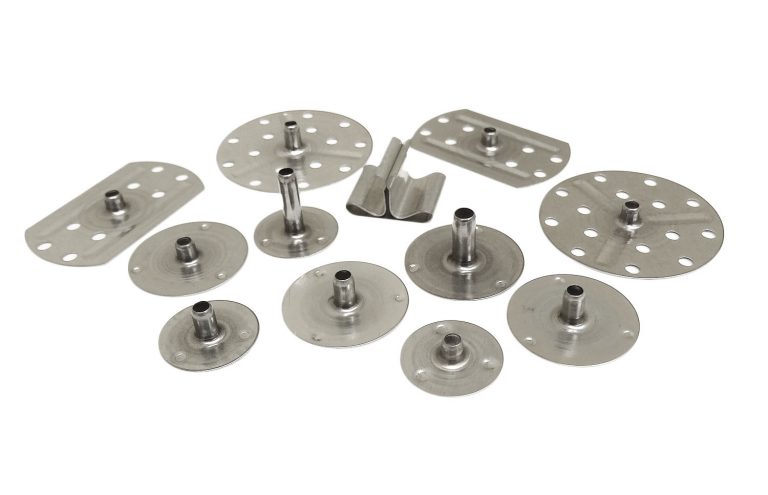
Metal Candle Sustainers
Assortment of Metal Candle Wick Sustainers

Creating a better candle experience with consistent cold and hot scent throw begins with partnering with the combustion experts at Wicks Unlimited. With over 450 different candle wicks, including coredflat, and square braided wicks, from leading manufacturers such as Atkins & PearceWedo, and Sao Vitor available for waxing, it is no wonder candle manufacturers depend on Wicks Unlimited.

In addition to waxed wick on reels, Wicks Unlimited offers twenty-five (25) unique metal candle wick sustainers with regular and safety neck heights that enable candle manufacturers to create tabbed wicks from waxed wick on reels. To meet the burn and fragrance preferences of end-users at the candle’s end of life, manufacturers can select from either puncture or non-puncture sustainer crimping to create the ultimate candle experience for candles with high fragrance levels. Wicks Unlimited also manufactures and supplies an innovative self-centering sustainer that enables candle manufacturers to “drop and pour” and wick clip assemblies made to your exact wax and wick length specifications. Use the contact form below or call 954-946-3500 to speak with a team member and partner with Wicks Unlimited to develop candles with high levels of fragrance

Candle Fragrances and Their Role in Combustion: An Introduction

Wicks-Unlimited-candle-wick-sizes-768x512-2

Developing candles with a consistent cold and hot scent throw is an exact science. Each part of the candle system, including the wick, wax, sustainer and container, must work in harmony with the natural or synthetic fragrance oils, powders or essential oils for optimal combustion. Too much or too little fragrance will affect the combustion process and the end-user experience. In part one of this two part series focusing on the role fragrance plays in candle combustion, the experts at Wicks Unlimited introduce the reader to the differences between natural and synthetic fragrances and explore the different notes within the fragrance pyramid.

An Introduction to Natural and Synthetic Fragrances

Natural fragrances contain ingredients derived from natural origins. They typically have a mixture of essential oils extracted from blossoms, citruses, woods and leaves, spices and resins (botanical extracts), or from animals (musk). Synthetic fragrances sometimes called “fragrance oils,” are created in a laboratory. They are designed to mimic and enhance natural fragrances with a more potent and long-lasting scent throw. It is worth noting that synthetic fragrance manufacturers do not have to disclose the individual components of their fragrances since they are considered a trade secret.

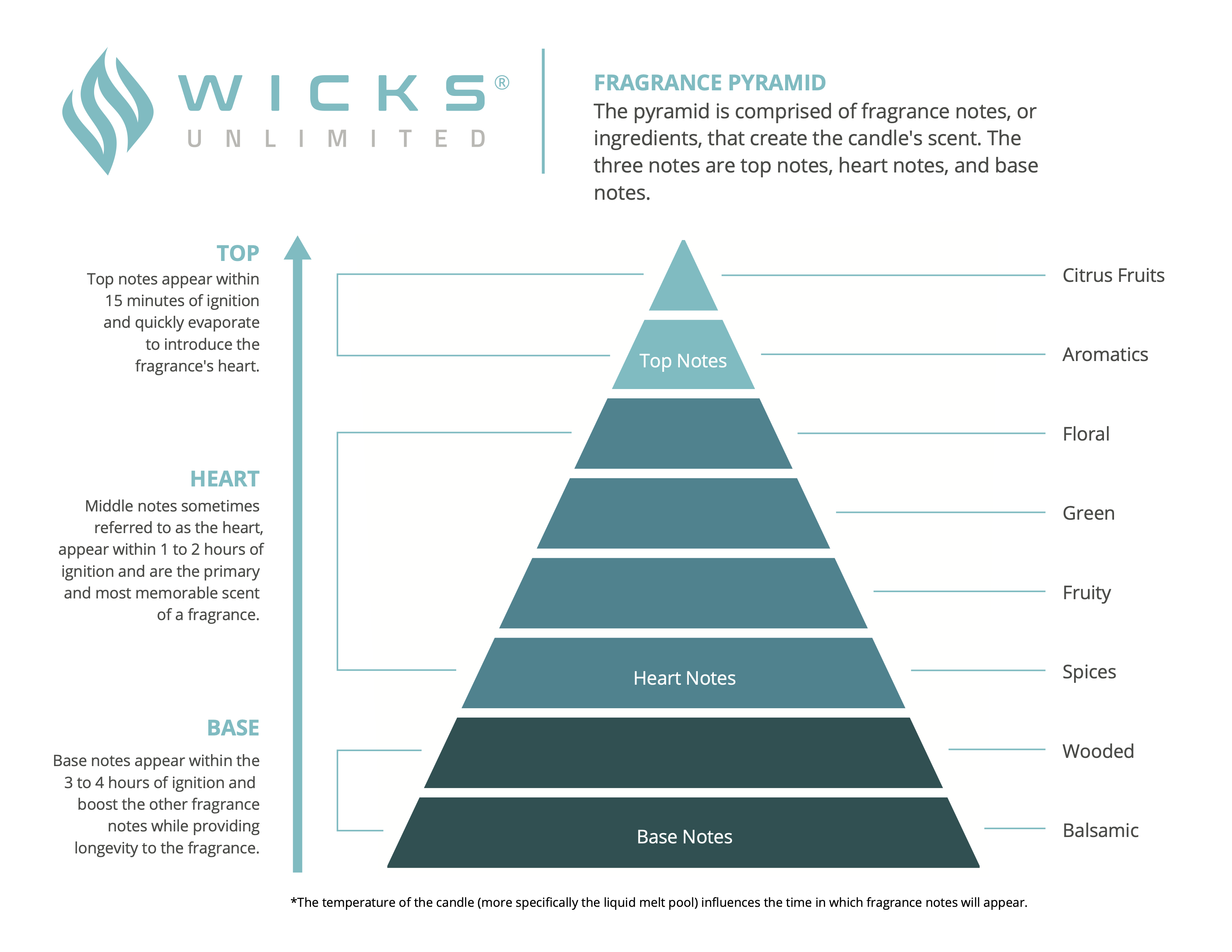
To help illustrate and understand natural and synthetic fragrance notes, candle manufacturers rely on a fragrance pyramid. The fragrance notes are positioned within the pyramid based on their volatility. Scent notes at the very top of the pyramid evaporate faster and therefore are more volatile, while notes at the bottom evaporate slower and are longer lasting. Let’s quickly explore each section of the pyramid.

Candle-Fragrance-Pyramid

Top Notes

Top notes first appear within 15 minutes, are the first scents one smells, and play a significant role in the purchasing decision. These notes typically include light, fresh, and citrusy aromas and introduce the candle fragrance to the end-user via a cold throw. Scents that make up the top notes evaporate the fastest since they have the smallest molecules. Since scents in the top evaporate the quickest due to their molecular structure, it is vital to have the correct fragrance ratio to avoid premature evaporation.

Top Notes Characteristics 

  • Top notes appear with 15 minutes of ignition. 

  • Top notes include light, fresh, and citrusy aromas. 

  • Top notes play an important role in the purchasing decsion since they introduce the candle’s fragrance to the end-user via cold throw. 

Middle Notes

Middle notes often called “heart notes,” appear within 1 to 2 hours of ignition and are more robust, complex, and full-bodied than top notes. They enhance the top and bottom notes by providing balance and harmony to the overall fragrance blend. Middle notes often are the most prominent and include florals, light fruits, and spicy fragrances.

Middle Notes Characteristics

  • Middle notes appear within 1 to 2 hours of ignition.

  • Middle notes provide balance and harmony to the overall fragrance blend and often include florals, light fruits, and spicy fragrance(s).

  • Middle notes are more robust, complex, and full-bodied than top notes.

Base Notes

Base notes, sometimes called bottom notes, are the last to appear within 3 to 4 hours of ignition. They provide a foundation for the fragrance’s lighter notes since bottom notes are composed of larger molecules that are heavier and longer lasting. Popular base notes include vanilla, woodsy, and balsamic scents. Base notes also linger after the candle is extinguished, a feature many end-users enjoy.

Base Note Characteristics

  • Base notes appear within 3 to 4 hours of ignition.
  •  Base notes provide a foundation for the fragrance’s lighter notes and often include vanilla, woodsy, and balsamic fragrance(s). 
  • Base notes are compromised of larger molecules and base note scents may linger after the candle is extinguished.

Finding a Balance Between Fragrance Levels and Combustion

Optimal candle combustion and scent throw is only achieved when each part of the candle system including the wick, wax, sustainer, and container work in harmony. Even if just one of those parts is off, the candle will not achieve an optimized burn or scent throw. In part two of this series on the role fragrance plays in candle combustion, the experts at Wicks Unlimited explore common combustion issues caused by candles with high-level fragrances and their solutions. Use the contact form below or call 954-946-3500 to speak with a team member today and partner with Wicks Unlimited to develop or troubleshoot candles with high levels of fragrance.

Waxed Wick on Reels

An Introduction to Candle Troubleshooting In Celebration of World Candle Month

Wicks-Unlimited-candle-wick-sizes-768x512-2

During the candle development process, there is much to consider: the candle’s overall appearance, wax type, wick type, wax dye, and scent. The list is almost endless. Even though extensive burn tests were performed, combustion issues sometimes appear once customers have purchased your candle. In part one of this two-part series celebrating World Candle Month, Wicks Unlimited took a deep dive into the different candle systems available on the market. Now, in part two, the candle combustion experts at Wicks Unlimited share common candle combustion issues with basic troubleshooting steps and the importance of using the correct candle wick for your specific candle. 

Wicks-Unlimited-Candle-Combustion-Capillary ActionThe Importance of Using the Correct Candle Wick

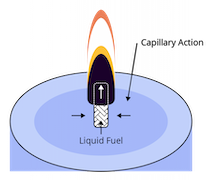
The primary purpose of a wick is to deliver fuel in the form of wax up to the candle’s flame through a process known as capillary action. The candle’s wick is an efficient pump that draws superheated liquefied wax into the flame that sustains combustion. Using the correct wick for your specific candle’s size, shape, dye, container type, and fragrance load is essential for an optimized burn and a happy customer. Too much or too little fuel will cause an avalanche of undesired and unsafe burn characteristics.

Issue

Mushroom Capped Wick

Mushroom-Capping-Wicks-Unlimited


Signs 

  • After a burn cycle the tip of the wick looks like a mushroom.

  • The mushroom effect is caused by carbon buildup.

Troubleshooting

  • An oversized wick is providing too much fuel (wax) to the flame that it can effectively burn.

  • Using an incorrect wick size/type for a particular candle system can cause mushroom capping.

  • Ensure you are following the manufacturer’s guidelines for the wax, scent, and dye ratios. Remember, candle making is a science.

  • It is important to note that some wick types are more prone to mushrooming than others.

  • Speak with a Wicks Unlimited candle combustion specialist to ensure you are using the correct wick type and size for your specific application.

Issue

Afterglow

AfterGlow-Wicks-Unlimited


Signs

  • Continued heat and light emitted from the wick’s tip once manually extinguished after a reasonable amount of time.

  • Afterglow is not only unsafe, but it can also damage the candle brand’s reputation.

Troubleshooting

  • Afterglow most often occurs as a direct result of mushroom capping during the burn cycle.

  • Speak with a Wicks Unlimited candle combustion specialist to ensure you are using the correct wick type and size for your specific application.

Issue

Excessive Wick


Signs

  • Mushrooming, sooting, an uneven burn and a larger than expected flame height.

  • The soot sticks to the candle jar, surrounding walls, and potentially the ceiling.

Troubleshooting

  • Using an incorrect wick size/type for a particular candle system can cause an excessive/long wick.
  • Speak with a Wicks Unlimited candle combustion specialist to ensure you are using the correct wick type and size for your specific application.

Issue

Smoking/Sooting

Oversized-Candle-Wick-Candle-Combustion-Issues-Wicks-Unlimited-2


Signs

    • The flame is unusually high and is releasing smoke/soot consisting of tiny particles of unburned fuel.

    • The soot sticks to the candle jar, surrounding walls, and potentially the ceiling.
    • Smoking/sooting is not only unsafe, but it can also damage the candle brand’s reputation.

Troubleshooting

  • The candle wick is delivering more fuel (wax) to the flame than it can burn.

  • Smoking/sooting indicates not only incomplete combustion but also improper wick selection for this particular candle system.

  • Ensure you are following the manufacturer’s guidelines for the wax, scent, and dye ratios. Remember, candle making is a science.

  • Speak with a Wicks Unlimited combustion specialist to ensure you are using the correct wick type and size for your specific application.

Issue

Tunneling

Candle-Combustion-Tunneling-Wicks-Unlimited


Signs

  • The burn pool does not extend to the edges of the container.

  • A very narrow melt pool in the center of the candle with unconsumed wax around the circumference is a sign of tunneling.

Troubleshooting

  • Tunneling is caused by an undersized wick.

  • To overcome tunneling, adjust your wick size up or down accordingly.

  • It is also worth double-checking the wax, dye, and fragrance ratios to ensure the manufacturer’s specifications are followed.

  • With this information in hand, contact a Wicks Unlimited combustion specialist to ensure you are using the correct wick type and size for your specific application.

Issue

Oversized Flame

Oversized-Candle-Wick-Candle-Combustion-Issues-Wicks-Unlimited-3


Signs

  • Larger than the average flame size.

  • Deep burn pool liquifying a large portion of the candle. Mushroom capping.

  • Strong fragrance throw that diminishes rapidly.

  • The candle’s surface area temperature is unusually high.

Troubleshooting

  • Adjust your wick size down to begin the troubleshooting process.

  • A properly sized wick creates an appropriate burn pool according to the candle’s width with the correct flame height.

  • Speak with a Wicks Unlimited combustion specialist to ensure you are using the correct wick type and size for your specific application.

Issue

Flame Diminishing


Signs

  • Flame extinguishing

  • Tunneling

  • Pay close attention to the burn pool and ensure it is forming from edge to edge of the container.

Troubleshooting

  • Flame diminishing can be caused by an undersized wick is a wick that is too small for a particular candle system and does not generate enough combustion (heat) to melt the wax.

  • Some fragrances, essential oils, and natural waxes are able to degrade the wick material and in consequence, extinguish the flame.

Use the form below to partner with Wicks Unlimited today to troubleshoot combustion issues for pillar, container, soy, tealight, or votive candle systems. With over 450 different candle wicks, including cored, flat, and square braided wicks, in addition to metal wick sustainers, it is no wonder manufacturers depend on Wicks Unlimited for all of their candle combustion needs.