

Combustion 101

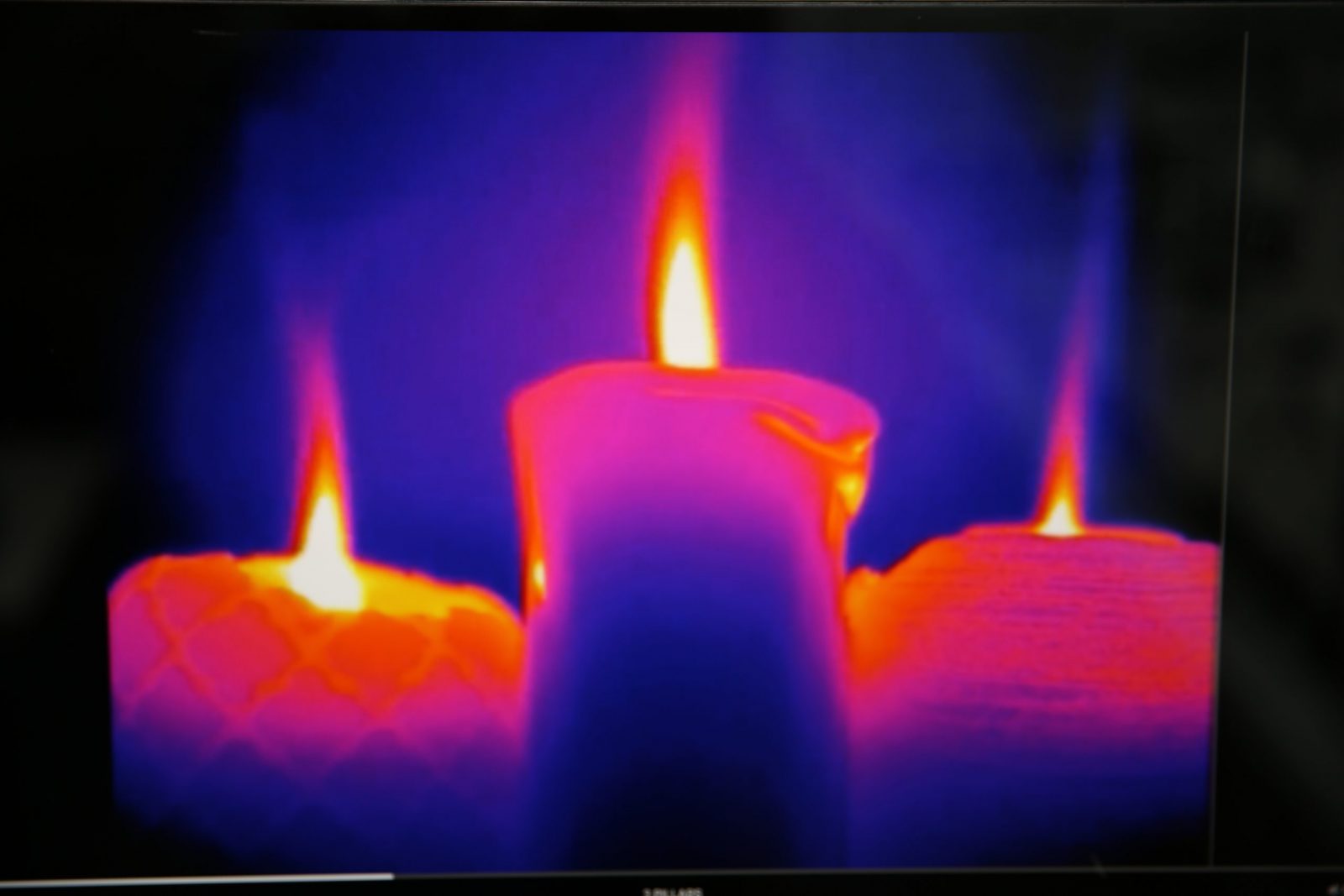
Thermal image of three burning candles showing heat distribution

Candle combustion starts when liquid wax diffuses into the wick and rises by capillary action. The flame’s heat vaporizes that fuel, and combustion happens along the outer edge of the flame, where oxygen and heat are highest. When fuel does not burn completely, soot collects on the wick as mushrooming or carbon capping.

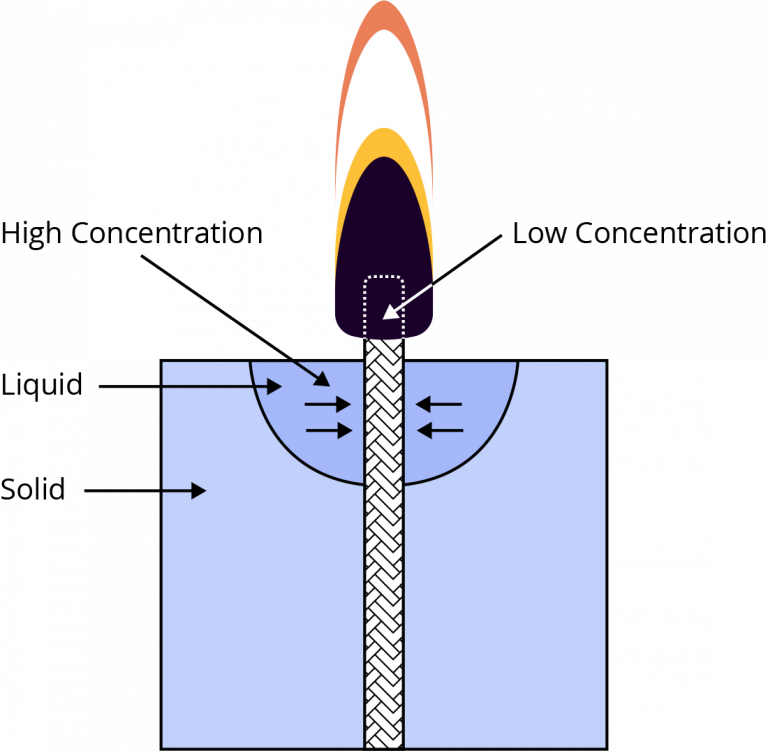
Diffusion:

Liquid wax diffuses into the wick saturating the cotton fibers.


Diagram of fuel diffusion from high to low concentration around a candle wick

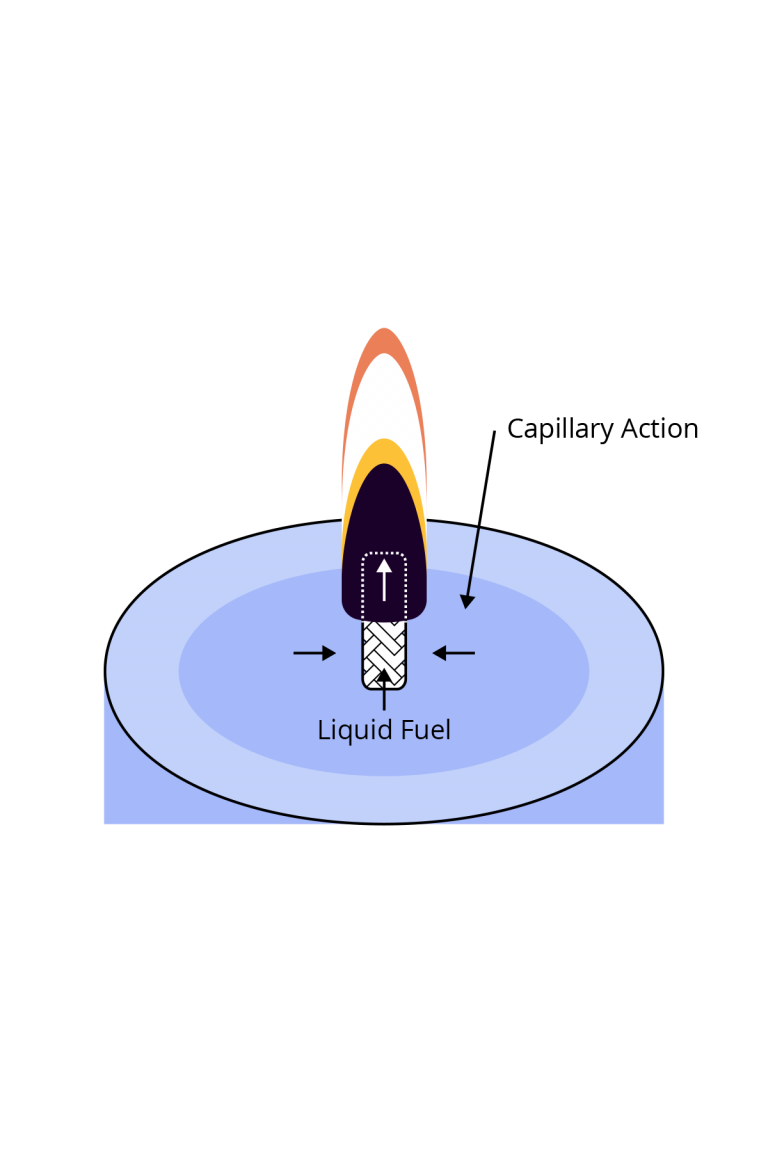
Capillary Action:

The fuel moves up the wick as it is consumed through the process of capillary action.

Diagram of capillary action drawing liquid fuel up a candle wick

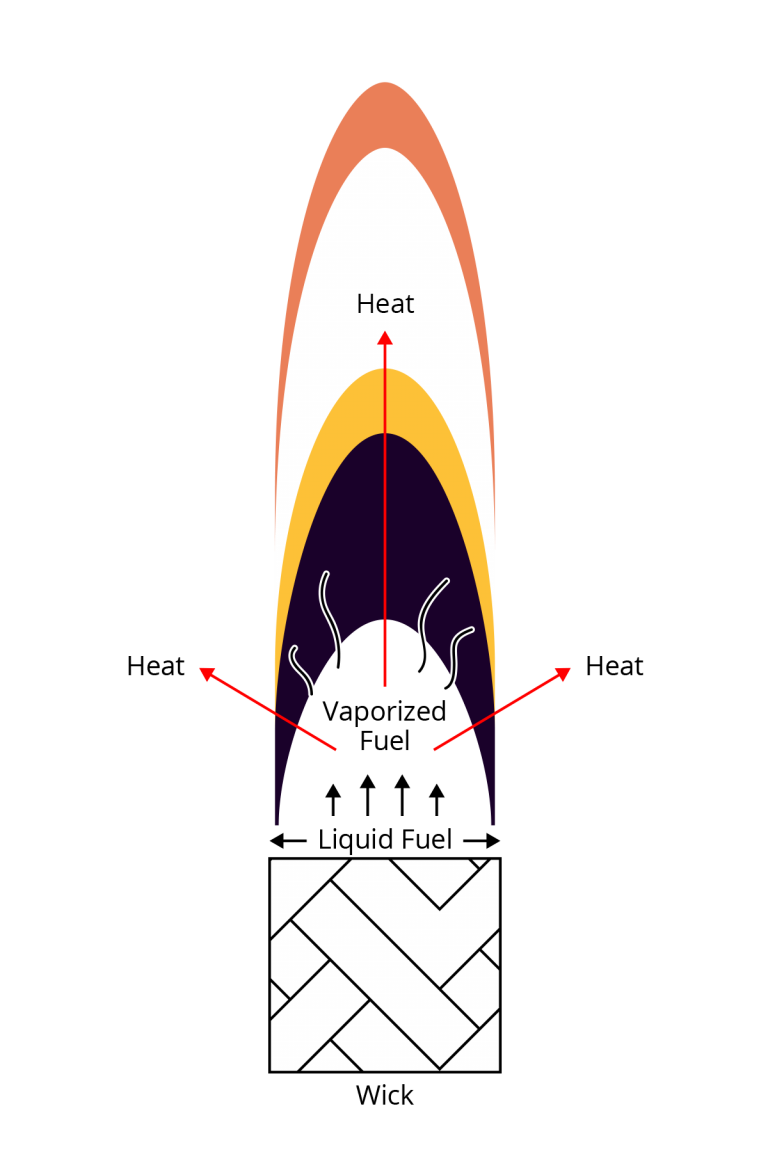
Vaporization of Fuel:

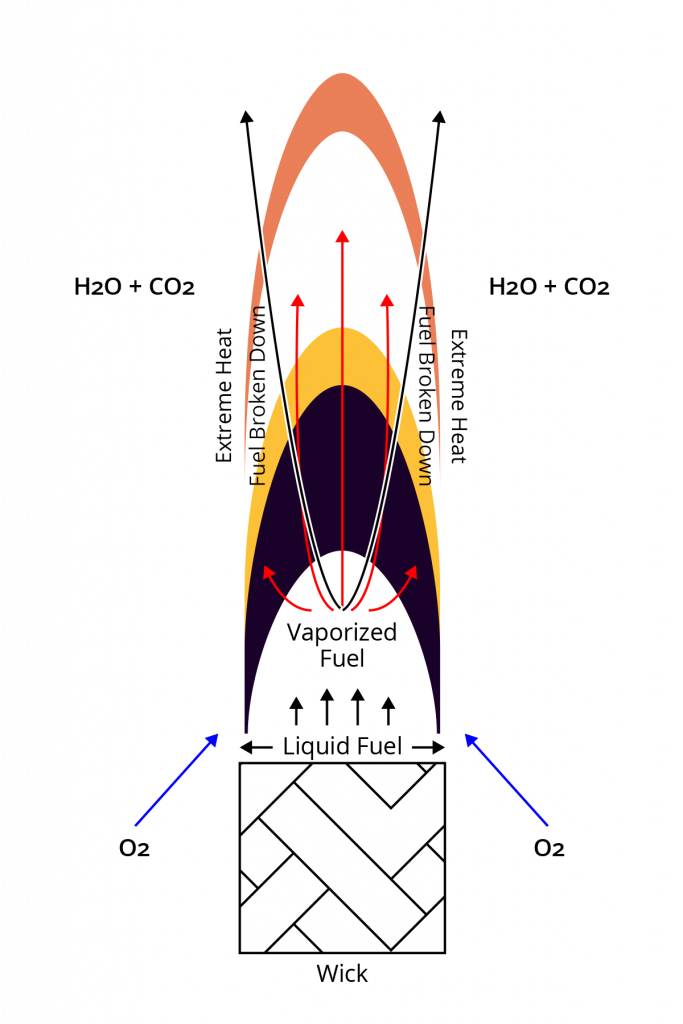
The flame’s heat vaporizes the liquid fuel to begin the combustion process.


Diagram of fuel vaporization in a candle flame

Incomplete Combustion:

All candle flames have varying degrees of complete and incomplete combustion.

Diagram of incomplete candle combustion with heat and oxygen flow

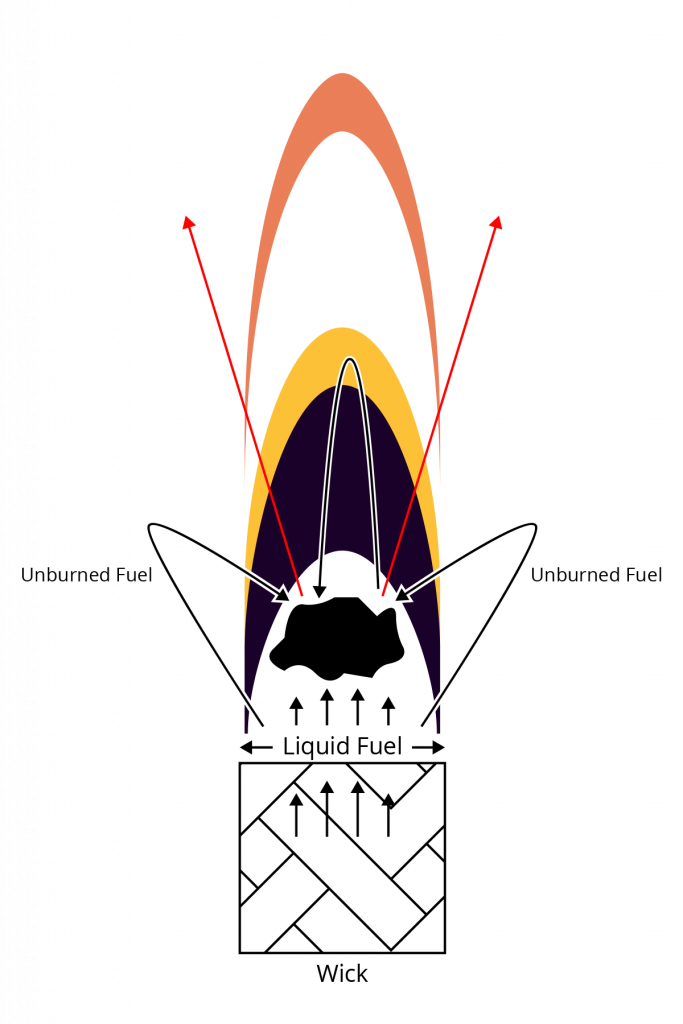
Fuel Reduction:

Mushrooming, carbon capping, or carbon deposits are the result of unburned fuel and soot accumulating on the end of the wick.

Diagram of a candle flame with unburned fuel and reduced combustion

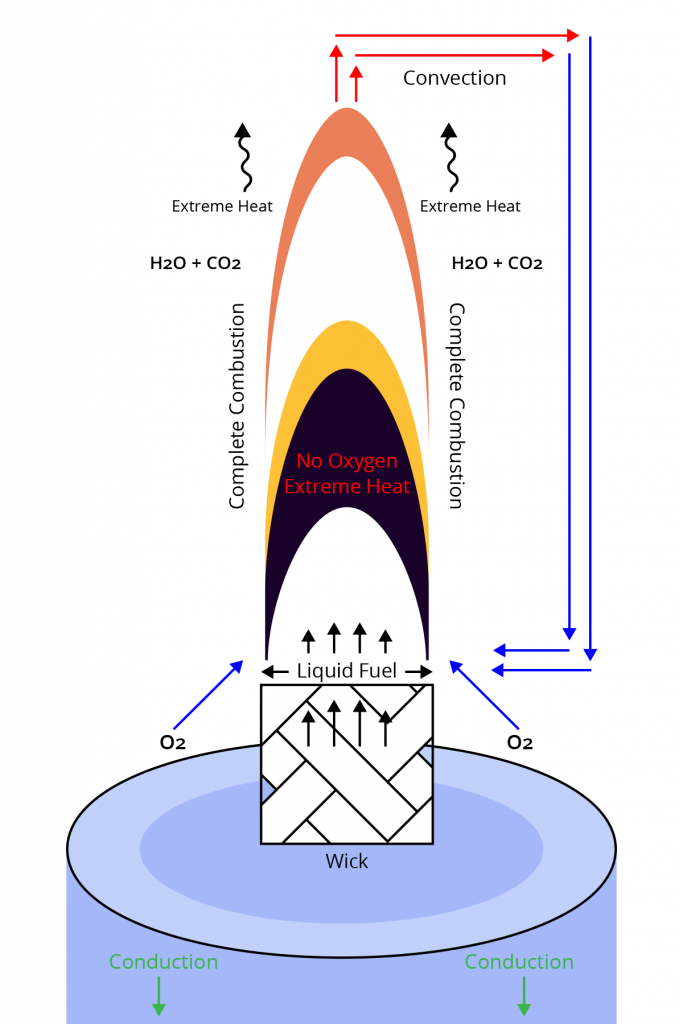
Ideal Complete Combustion:

All combustion takes place on the outside edge of the flame where oxygen and heat are at their maximum.

Diagram of ideal complete candle combustion showing convection, oxygen, and heat flow

Schedule Your Candle Optimization Today!

Recent Blogs