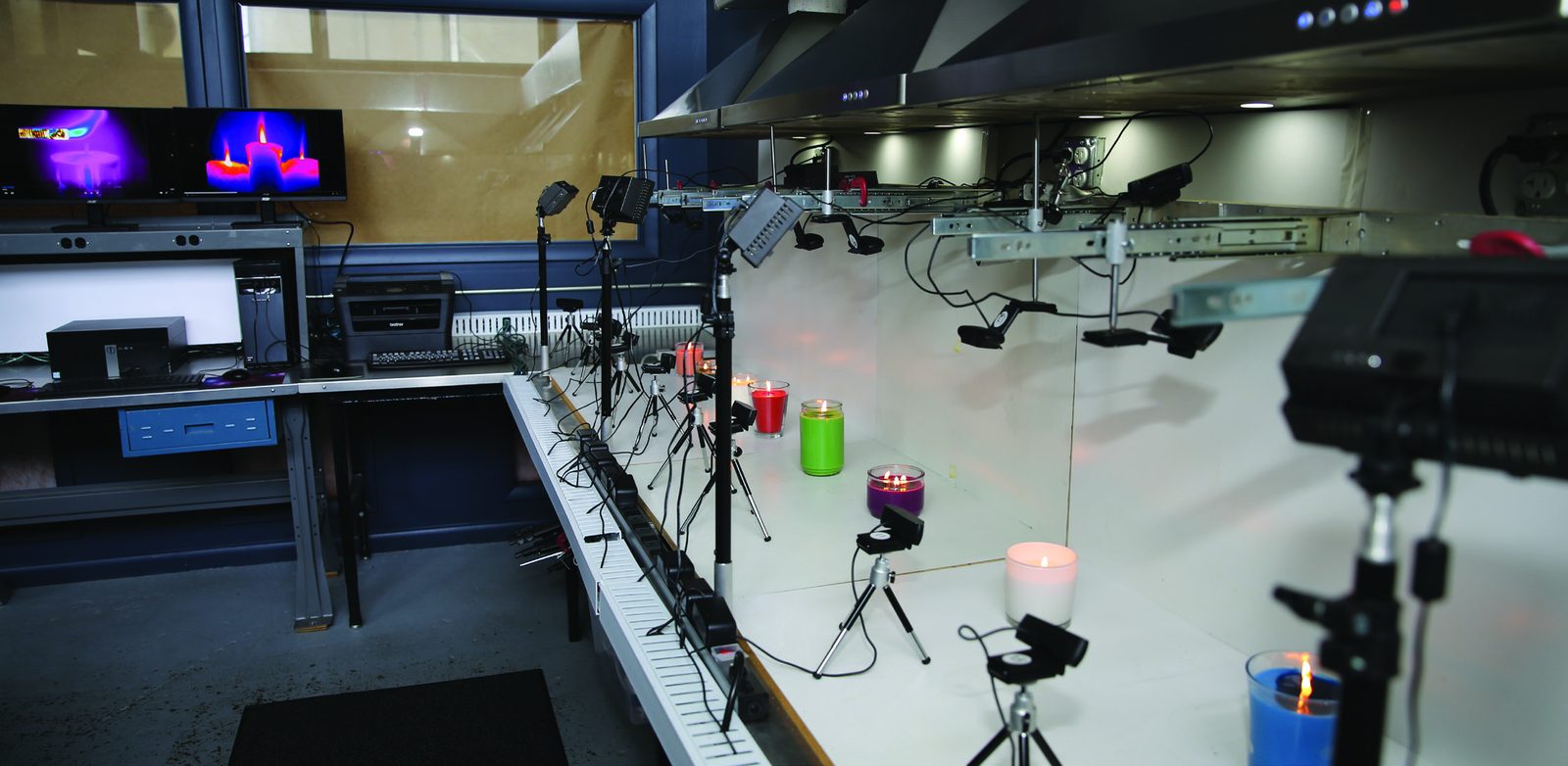
Combustion testing before scale means burning finished candles through full cycles and evaluating every variable that interacts in the flame: wick, wax, fragrance load, vessel, dye, additives, cooling, and assembly. This guide covers the variables to test, the mistakes that surface at volume, and where a component supplier fits in.
Part 1 of this series covered what combustion testing is, why the wick has to be chosen for the finished formulation, and why testing belongs before scale rather than after. This part gets practical: the specific variables to test before you commit a SKU to production, the shortcuts that cause most burn problems at volume, and how Wicks Unlimited supports the work without replacing it.
Key Variables to Test Before Scaling
Most burn problems trace back to a handful of variables interacting. Testing each one against your burn objectives, rather than assuming a single cause, is what shortens the path to a stable result.
One rule frames all of it: the wick is chosen to fit the final formulation. If a variable below changes after wick selection, the selection is no longer validated. You cannot reverse engineer the rest of the candle around a wick you have already committed to.
| Variable | Why it shifts at scale | What to watch in testing |
|---|---|---|
| Wick series and size | Production handling and component lots can change feed and set behavior. | Flame stability, melt pool, mushrooming, and burn rate across the full candle. |
| Wax system | Batch variation and fill temperature affect cure and adhesion. | Tunneling, wet spots, and how the melt pool reaches the vessel wall. |
| Fragrance load | Higher loads change combustion and can clog the wick. | Sooting, flame height, and scent throw versus a clean burn. |
| Vessel geometry | Sourcing and tolerances vary at volume. | Container temperature, heat at the base, and burn-down behavior. |
| Dye and additives | Small formulation changes alter how the candle burns. | Residue, clogging, and changes in flame behavior over time. |
| Cooling and cure | Fill temperature and cooling rates move at volume, and improper cooling can create voids, hidden air pockets in the wax. | Uneven or collapsing melt pools, sudden flame changes mid-burn, and adhesion or shrinkage issues. |
| Sustainer and crimp | Automated assembly sets and anchors the wick differently. | Centering, adhesion to the base, and clean shut-off at end of life. |
Because these variables interact, no single wick is universal, and no result transfers automatically from one formulation to another. Each meaningful change to wax, fragrance, vessel, dye, or additives is a reason to test again.
Common Mistakes Teams Make Before Scaling
Most burn issues at scale are not exotic. They come from a small set of avoidable shortcuts:
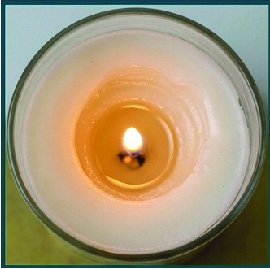
- Testing only a single burn instead of full burn cycles that mirror real use. The candle has to burn cleanly and safely from its initial lighting to its end of life, so tests that stop early miss the failures that matter most.
- Validating on hand-poured samples and skipping conditions closer to the production line.
- Selecting a wick early and adjusting the formulation to fit it, instead of finalizing the formulation and selecting the wick to match.
- Changing fragrance, dye, or vessel after testing and assuming the wick still fits.
- Cooling filled candles too quickly or unevenly, which can leave voids that surface as burn problems midway through the candle’s life.
- Treating wick selection as a diameter decision rather than a system decision.
- Locking in components and a schedule before a stable burn profile is confirmed.
Each of these is easy to correct early and expensive to discover late. A disciplined testing protocol, applied before scale, is the cheapest insurance a candle program can buy.
What Testing Is, and What a Supplier Can and Cannot Do
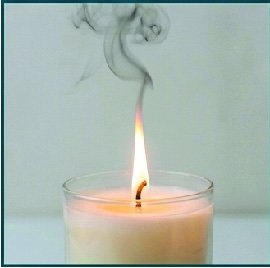
It helps to be clear about roles. Combustion testing and final validation are the manufacturer’s responsibility. The brand or producer owns the burn data, the certification, and the decision to release a product. A component supplier supports that work but does not replace it.
Wicks Unlimited provides combustion optimization and wick recommendations. The team helps you narrow options, troubleshoot burn issues, and move toward a more predictable result. Wicks Unlimited does not perform certification or compliance testing, and recommendations are not guarantees of performance. Your own burn testing across wax, fragrance, vessel, dye, and additives is still what confirms a candle is ready to scale.
Framed that way, technical support does not remove a step. It makes your own testing faster and more focused, so you reach a stable burn with fewer cycles.
How Wicks Unlimited Supports Combustion Testing
Wicks Unlimited has supplied candle combustion components and technical guidance since 2000, working with manufacturers worldwide from an advanced Florida facility. The role here is to help you test smarter, not to test for you. That support shows up in a few practical ways.
Preliminary wick optimization and combustion troubleshooting
Through technical services, Wicks Unlimited offers preliminary wick optimization and combustion troubleshooting. Share your burn objectives and the issues you are seeing, and the team will help narrow the field to a shorter list of candidates worth testing against your finished formulation. That reduces trial-and-error before your own validation burns.
A broad wick range to test against
With hundreds of wick options across multiple series and treatments, there is room to match a wick to your wax type, fragrance load, vessel geometry, and burn goals. A wider starting set increases the chance of finding a stable candidate without redesigning the entire formulation.
Production-ready components for repeatable results
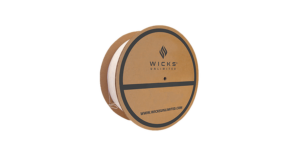
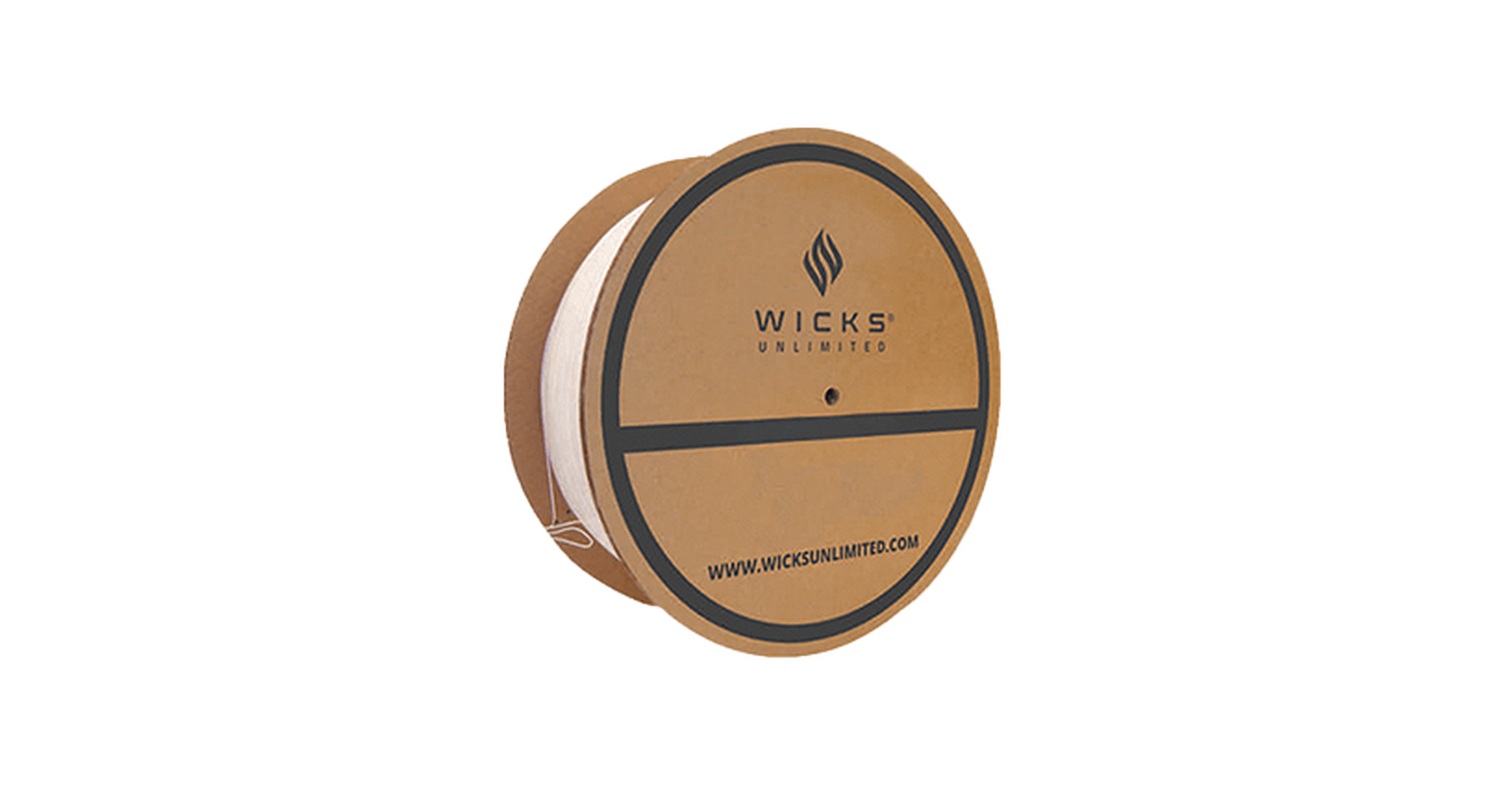
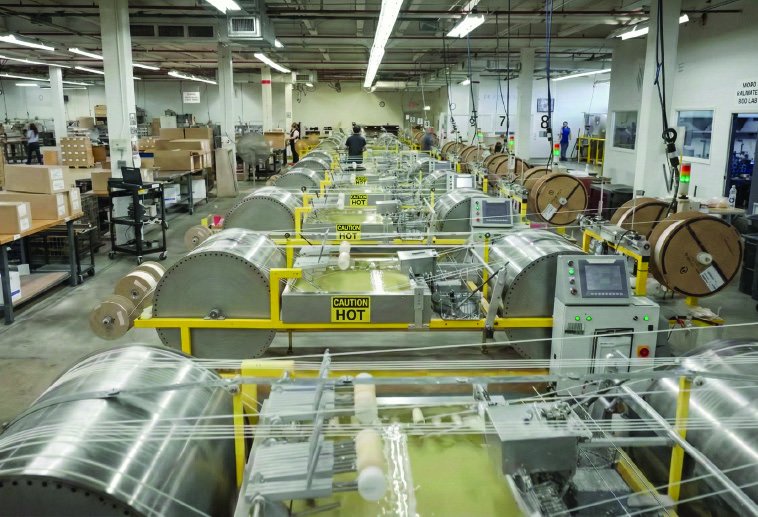
Testing only means something if production matches what you tested. Waxed wick on reels are saturated to the core through a proprietary waxing process for more uniform combustion, and wick-clip assemblies are made to your exact length and sustainer specifications. Consistent components help your production candles behave like the ones you tested.
Quality systems built for repeatability
Wicks Unlimited operates an ISO Certified QMS, supporting consistency, traceability, and repeatable production outcomes. For a team scaling a SKU, that means the components you validated are made to the same standard run after run.
Related Products and Services
Combustion testing touches the full assembly, so the right components matter beyond the wick itself:
- Waxed wick on reels for automated cut, tab, and glue production
- Wick clip assemblies made to your exact length and sustainer requirements
- Sustainers and crimping tools in standard and safety-neck configurations
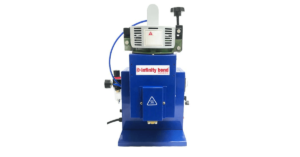
- Hot melt glue and glue melters formulated for candle assembly
- Technical services for wick optimization and combustion troubleshooting
Frequently Asked Questions
Does Wicks Unlimited do my combustion testing or certification?
No. Wicks Unlimited provides combustion optimization and wick recommendations to help narrow options and troubleshoot burn issues. Final burn testing, validation, and certification remain the manufacturer’s responsibility.
How many wick options should I test?
It depends on your wax, fragrance load, vessel, and burn goals. Preliminary wick optimization helps shorten the list to a focused set of candidates, so you test fewer wicks across fewer cycles before validation.
Do I need to retest if I change fragrance or vessel?
Yes. Fragrance load, vessel geometry, dye, and additives all affect combustion, and the wick was selected for the previous formulation. Any meaningful change to the formulation or vessel is a reason to run burn testing again before committing to scale.
What causes voids in a candle, and do they affect the burn?
Voids are hidden air pockets that can form when a filled candle cools improperly, often from cooling too quickly or unevenly. They can change melt pool behavior and flame stability partway through the burn, which is why cooling and cure conditions belong in your testing plan.
Test With Confidence Before You Commit to Scale
Combustion problems do not stay at the bench. They surface in returns, rework, and missed launch dates once a SKU is in full production. The way to avoid that is to test thoroughly before you scale, with components and guidance built for repeatable results.
If you are preparing to scale a SKU and want to narrow your wick options before validation, contact Wicks Unlimited for preliminary wick optimization and combustion troubleshooting. Ready to source production-ready components for your testing and your line? Shop waxed wick on reels, wick clip assemblies, sustainers, and hot melt glue on the Wicks Unlimited webstore.