

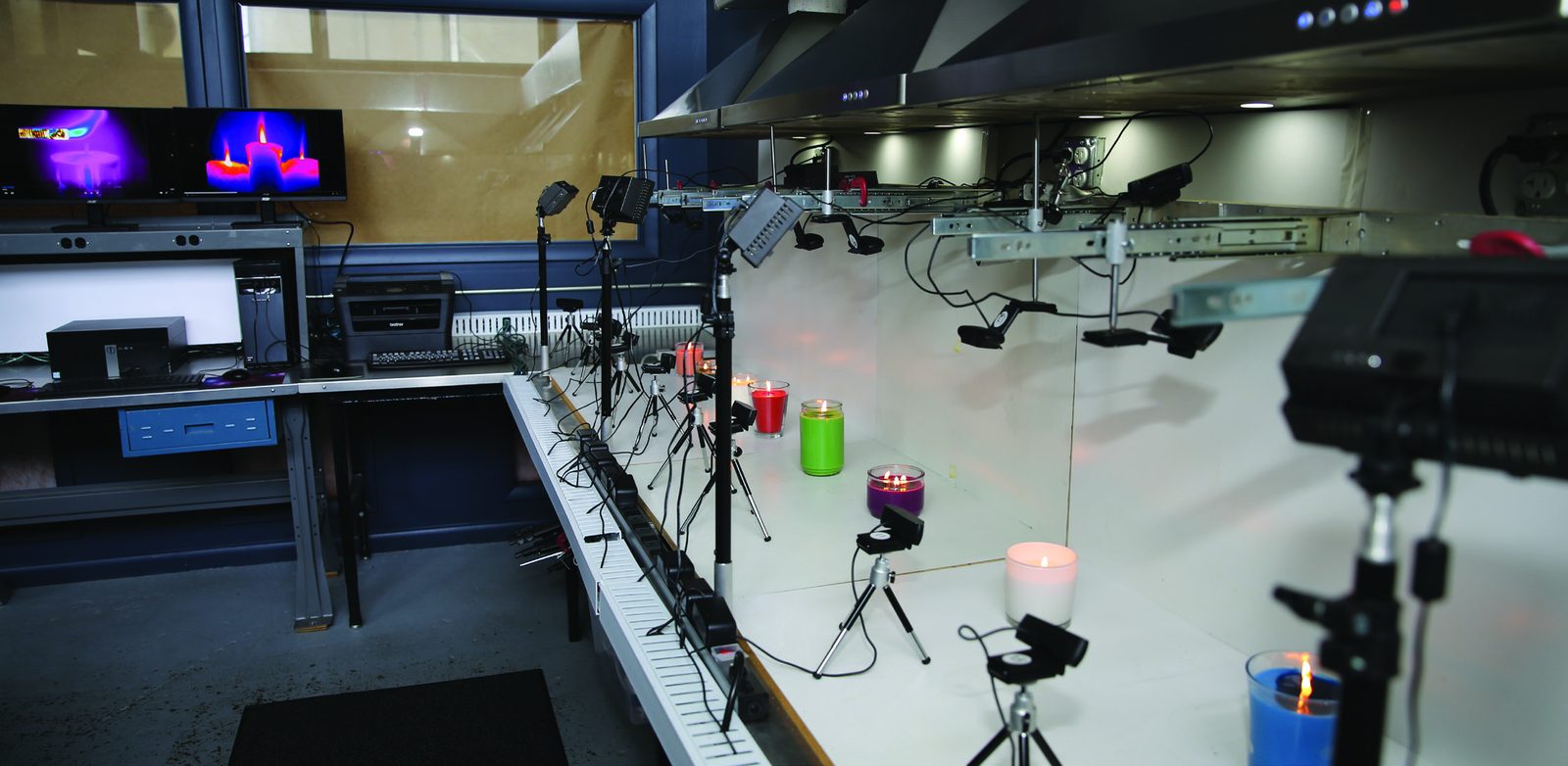
Combustion optimization is the process of burning a finished candle to confirm it lights, burns, and extinguishes safely and consistently from first light to end of life. Running it before you scale a SKU helps catch wax, fragrance, vessel, and wick-selection issues while changes are still inexpensive, protecting product quality and launch timelines.
Scaling a candle SKU is a commitment. Once a product moves from a few R&D pours to thousands of units on a production line, every component decision is locked into tooling, purchasing, and a schedule. Combustion optimization is how candle manufacturers confirm that a candle performs as it should before making that commitment.
For production managers, R&D teams, and purchasing leads, the cost of skipping or shortcutting this step rarely shows up at the bench. It shows up later, in failed runs, returns, rework, and delayed launches. This is Part 1 of a two-part series: what combustion optimization covers, why the wick has to follow the formulation, and why optimization belongs before scale rather than after. Part 2 covers the specific variables to optimize, the mistakes that surface at volume, and how Wicks Unlimited supports the work.
What Is Combustion Optimization?
Combustion optimization is the controlled burning of a finished candle to evaluate its performance from first light to the end of the burn. It looks at the whole system working together: the wick, the wax, the fragrance load, the dye and additives, the vessel, and the way the candle was assembled, down to the wick-clip assembly anchoring the wick.
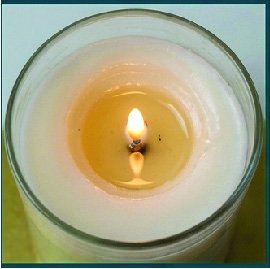
The standard is simple to state and demanding to meet: the candle must burn cleanly and safely from its initial lighting to its end of life. A candle that performs well for the first ten hours and misbehaves in the final third has not passed. That is why a useful optimization is not a single burn. It is a repeated cycle that mirrors how a customer actually uses the product, with attention to several behaviors:
- Melt pool depth and width, and how long full melt takes to reach the vessel wall
- Flame height and stability across the life of the candle
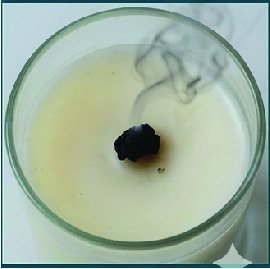
- Carbon buildup on the wick, often called mushrooming, and any sooting
- Burn rate and total burn time against your target
- How cleanly the candle burns down and whether it self-extinguishes as intended
- Container temperature and base behavior near the end of life





None of these is decided by candle diameter alone. Diameter matters, but wax type, fragrance load, vessel geometry, dye, additives, wick series, wick treatment, and sustainer selection all change the result. That is why optimization is the only reliable way to confirm a candle works, no matter how strong the starting recommendation is.
The Wick Serves the Final Formulation, Not the Other Way Around
One principle should sit underneath every optimization program: the wick is chosen to fit the finished formulation. You cannot reverse engineer a candle to match a wick you have already committed to.
It is tempting to lock in a wick early, especially one that performed well in a previous product, and then adjust wax, fragrance, or vessel around it. In practice this multiplies optimization cycles instead of reducing them. Every formulation change shifts combustion behavior, so a wick that fit the old system is a guess against the new one, not a known quantity.
The reliable sequence is the other way around. Finalize the wax system, fragrance load, dye, additives, and vessel first. Then select and evaluate wick candidates against that finished formulation. If the formulation changes in any meaningful way afterward, wick selection starts again. This is also why preliminary wick recommendations are framed as starting points: they narrow the field for a specific formulation, and they only hold as long as that formulation does.
Why Combustion Optimization Matters Before You Scale
The reason to optimize before scaling is simple: the cost of a change rises sharply the further a SKU moves toward full production. A wick adjustment is trivial during R&D. The same adjustment after a production run can mean reworked inventory, scrapped components, and a missed delivery window.
Optimization before scale protects several things at once:
Safety. A candle has to burn cleanly and safely from its initial lighting to its end of life. A candle that tunnels, overheats the vessel, or produces an unstable flame at any point in the burn is a safety problem at any volume, and a flaw that appears in the last hours of the burn is still a flaw. Catching it before scale keeps it off the line and out of the market.
Consistency. Production introduces variation that R&D pours do not, including machine handling, faster assembly, and component lots. Optimization under conditions closer to production helps confirm the candle holds up across runs, not just on the bench.
Cost control. Burn problems found late drive rework, waste, and returns. Found early, most are a quick component change.
Launch timelines. A failed validation after tooling and purchasing is committed can push a launch by weeks. Early optimization keeps the schedule intact.
Combustion optimization is not a hurdle to a launch. It is the step that makes a confident launch possible.
What Changes When You Move From Bench to Production
A candle that burns beautifully in a hand-poured sample can behave differently once it is produced at scale. The formulation may be identical, but the production environment is not. Several factors shift:
- Assembly speed and method change how the wick is set, glued, and centered.
- Component lots vary, so wax, fragrance, and wick can differ slightly batch to batch.
- Automated cut, tab, and glue equipment handles waxed wick on reels differently than hand assembly handles cut wick.
- Sustainer choice and crimp affect how the candle anchors and shuts off.
- Fill temperature, cooling, and cure conditions move at volume. Improper cooling can create voids, hidden air pockets in the wax that change how the candle burns partway through its life, even though the finished candle looked fine on the shelf.
- Vessel sourcing and tolerances can vary from lot to lot.
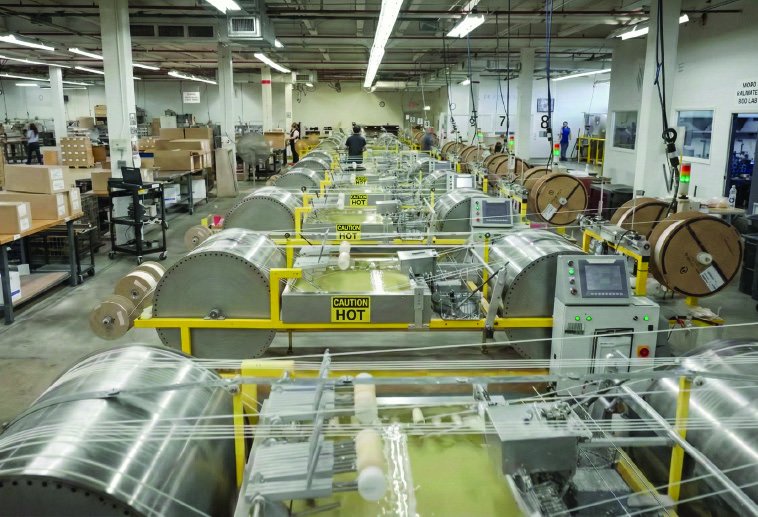
This is why a recommendation, however good, is a starting point rather than a finish line. Optimization is what closes the gap between a promising sample and a repeatable production candle.
Frequently Asked Questions
What is combustion optimization for candles?
It is the controlled burning of a finished candle to confirm it lights, burns, and extinguishes safely and consistently from first light to end of life. It evaluates the wick, wax, fragrance, vessel, and assembly working together, not just one component in isolation.
Why optimize before scaling instead of after?
The cost of a change rises as a SKU moves toward production. Catching a wax, vessel, or wick-selection issue during optimization is inexpensive. Catching it after components and tooling are committed can mean rework, waste, and a delayed launch.
Can I choose a wick first and build the formulation around it?
No. The wick is selected to fit the finished formulation, and a candle cannot be reverse engineered to match a preferred wick. Finalize wax, fragrance, dye, additives, and vessel first, then evaluate wick candidates against that system. Any meaningful formulation change restarts wick selection.
Are hand-poured bench samples enough to validate a SKU?
They are a starting point, not a validation. Production changes assembly speed, wick handling, cooling conditions, and component lots. Optimization under conditions closer to the production line is what confirms the candle holds up at scale.
Next: What to Optimize, and What Can Go Wrong
Part 2 of this series covers the specific variables to optimize before scaling, the common mistakes that surface at volume (including voids from improper cooling), where a component supplier fits in, and how Wicks Unlimited helps manufacturers reach a stable burn with less trial-and-error.
If you are preparing to scale a SKU and want to narrow your wick options before validation, contact Wicks Unlimited for preliminary wick optimization and combustion troubleshooting. Ready to source production-ready components for your optimization burns? Shop waxed wick on reels, wick clip assemblies, sustainers, and hot melt glue on the Wicks Unlimited webstore.